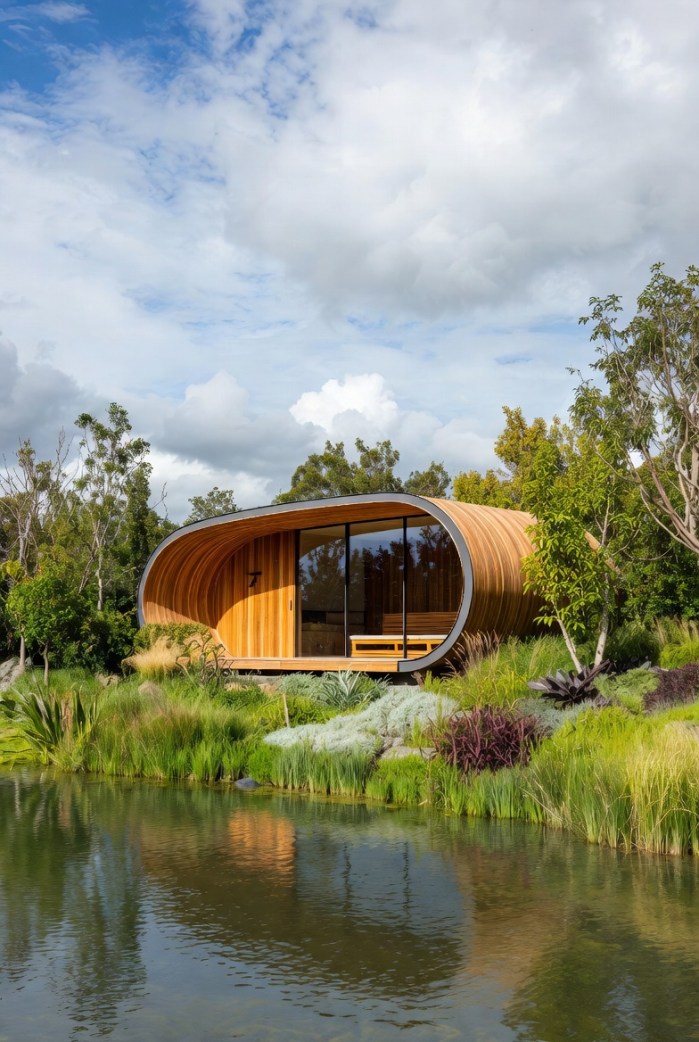
California leads in green building with strict standards like CALGreen, Title 24 energy codes, Buy Clean California (EPD-based procurement for low-carbon materials), and incentives for LEED/GreenPoint Rated projects. Focus on recycled content, low-VOC/low-toxicity, sustainably sourced, durable, locally produced, and energy-efficient materials suited to the state’s climate (drought, heat, fire risk, seismic activity).
Key Criteria for Sustainable Materials in CA
- Recycled/reused content — Reduces landfill waste and embodied energy.
- Low/zero VOC — Improves indoor air quality (per CDPH standards).
- Renewable or rapidly renewable — E.g., FSC-certified wood, bamboo.
- Local sourcing — Low transport emissions; supports CA economy.
- Durability & performance — Fire resistance, energy efficiency, moisture/heat management.
- End-of-life — Recyclable or biodegradable.
Common Sustainable Building Materials
Here’s a categorized list of popular, practical options (many available via CA suppliers like Green Building Supply, local distributors, or GreenPoint Rated directories).
1. Insulation
- Cellulose (85% recycled paper) — Low embodied energy, excellent air sealing.
- Recycled denim/cotton (e.g., UltraTouch, Bonded Logic) — No formaldehyde, good sound control.
- Mineral wool/rockwool — Fire-resistant (key for CA wildfires), made from rock/slag.
- Bio-based spray foam (soy/castor bean) — Renewable content, high R-value.
2. Flooring
- Bamboo (e.g., Plyboo, Cali Bamboo) — Rapidly renewable (harvest 3-5 years), durable.
- Cork — Renewable (bark harvest, tree lives), antimicrobial, cushioned.
- Reclaimed/salvaged hardwood — Diverts waste, unique character.
- Natural linoleum (e.g., Forbo Marmoleum) — Biobased (linseed, cork), biodegradable.
- Recycled glass or porcelain tile (e.g., Fireclay Tile — CA-made).
3. Siding & Exterior Walls
- Fiber cement (e.g., James Hardie with recycled content) — Fire-resistant, durable, low-maintenance.
- Reclaimed wood or FSC-certified wood.
- Metal siding (recycled aluminum/steel) — Long lifespan, recyclable, reflective for cooling.
- Stucco (lime-based or with recycled additives) — Traditional in CA, breathable.
4. Roofing
- Cool roofs (high reflectance) — Mandatory in many areas under Title 24; reduces cooling loads.
- Metal roofing (recycled content) — 40-70+ year life, fully recyclable.
- Clay/concrete tiles — Traditional, long-lasting, thermal mass.
- Solar-integrated shingles (e.g., GAF Energy, Tesla) — Generate power.
5. Countertops & Cabinets
- Recycled glass (e.g., Vetrazzo, IceStone) — 100% recycled, durable.
- Paper composites (e.g., PaperStone) — FSC paper + resin, carbon-negative options.
- FSC-certified wood or no-added-formaldehyde (NAF/NAUF) plywood/MDF (CARB2 compliant — CA requirement).
- Reclaimed wood or locally sourced stone (soapstone/slate).
6. Windows & Doors
- Fiberglass frames — Low embodied energy, durable, thermally efficient.
- Aluminum-clad wood or recycled-content options with Low-E, double/triple-pane, argon fill.
- FSC-certified wood doors.
7. Structural & Other
- High-volume fly ash (HVFA) concrete or low-carbon concrete — Reduces cement use.
- Engineered wood (e.g., cross-laminated timber/CLT, I-joists) — Renewable, sequesters carbon.
- Low/zero-VOC paints & finishes (e.g., Sherwin-Williams Harmony, Benjamin Moore Natura, American Clay plasters).
- Recycled steel/rebar (prioritized under Buy Clean CA).
Where to Source in California
- Green Building Supply — Wide range of non-toxic, eco-friendly products.
- GreenPoint Rated Directory (Build It Green) — Bay Area and statewide suppliers.
- CalRecycle Recycled-Content Database — Search manufacturers.
- Local options: All Green Building Products, Fireclay Tile (CA-made), reclaimed material yards, and distributors listed in county resources (e.g., Contra Costa Green Building Materials List).
- Houzz or USGBC-CA for certified green builders/suppliers.
Additional Tips
- Check CALGreen for mandatory recycled content, construction waste diversion, and low-VOC requirements.
- Prioritize local materials to cut transport emissions and support CA wildfires/seismic resilience (e.g., fire-resistant siding/roofing).
- Look for certifications: FSC, Cradle to Cradle, GREENGUARD, or Declare labels.
- For projects: Consider rebates, tax incentives, and programs like Buy Clean California for public/low-carbon procurement.
For the most current suppliers or project-specific advice, visit CalRecycle.ca.gov, GreenPointRated.com, or consult a local GreenPoint Rater/LEED professional.