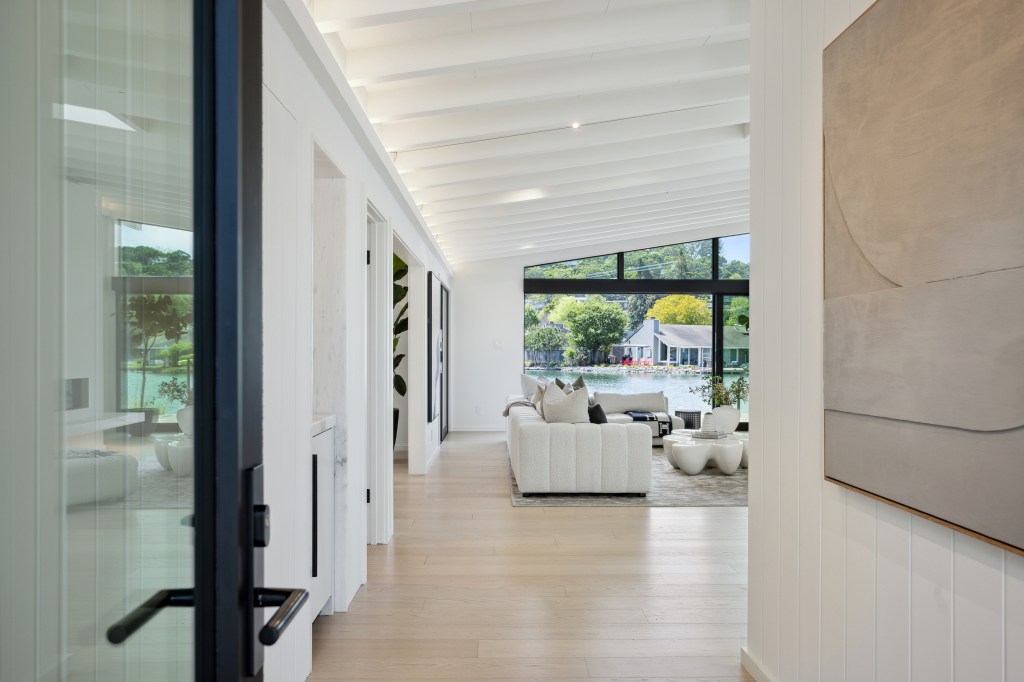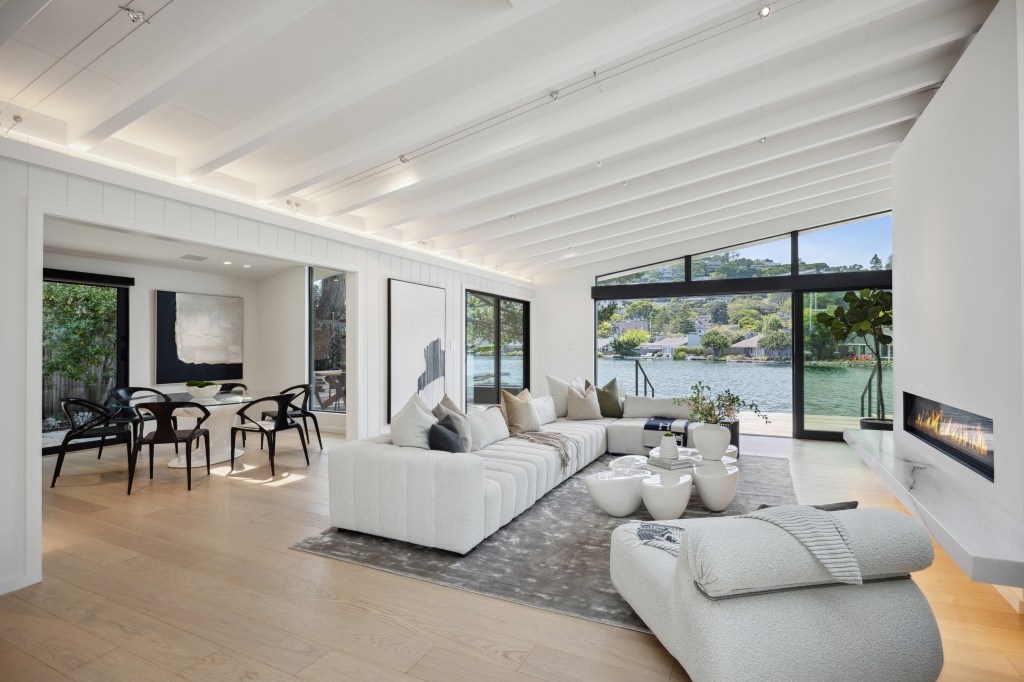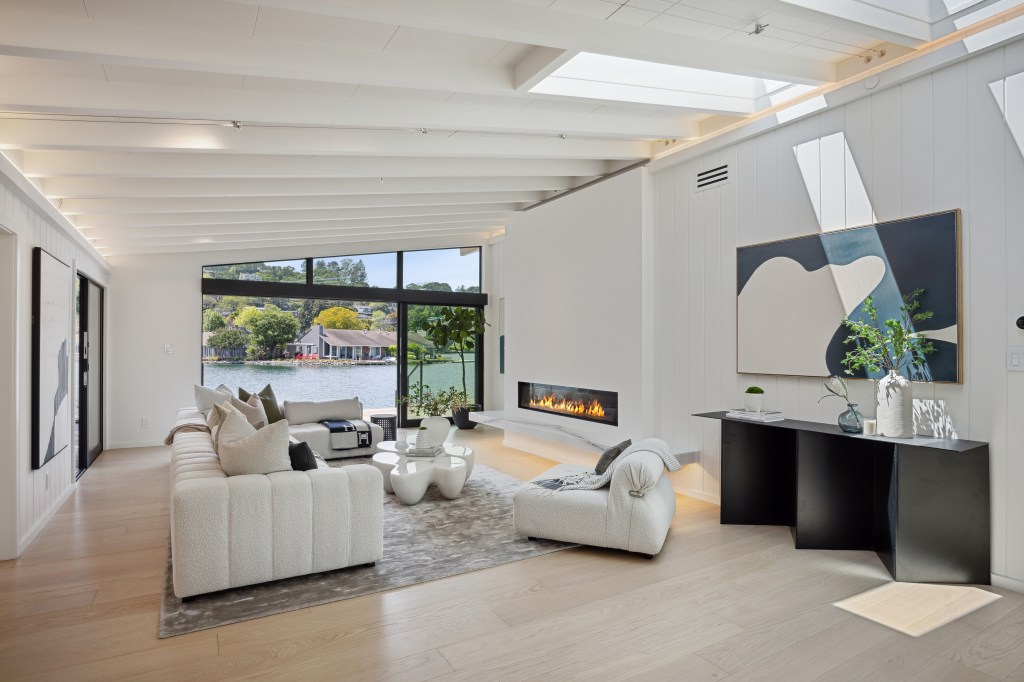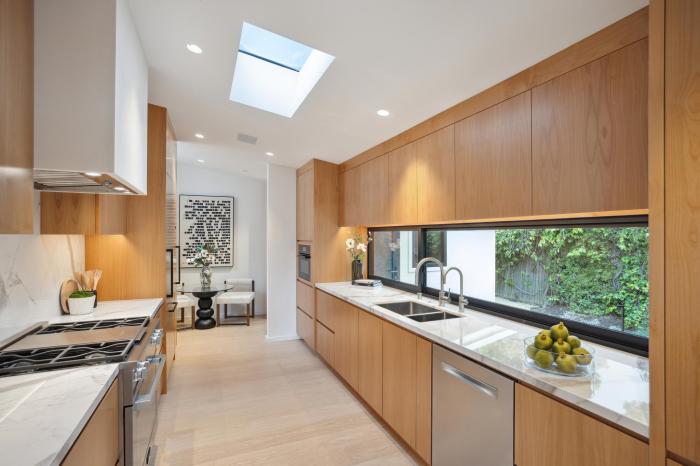
Orla Studios Guide To Netzero

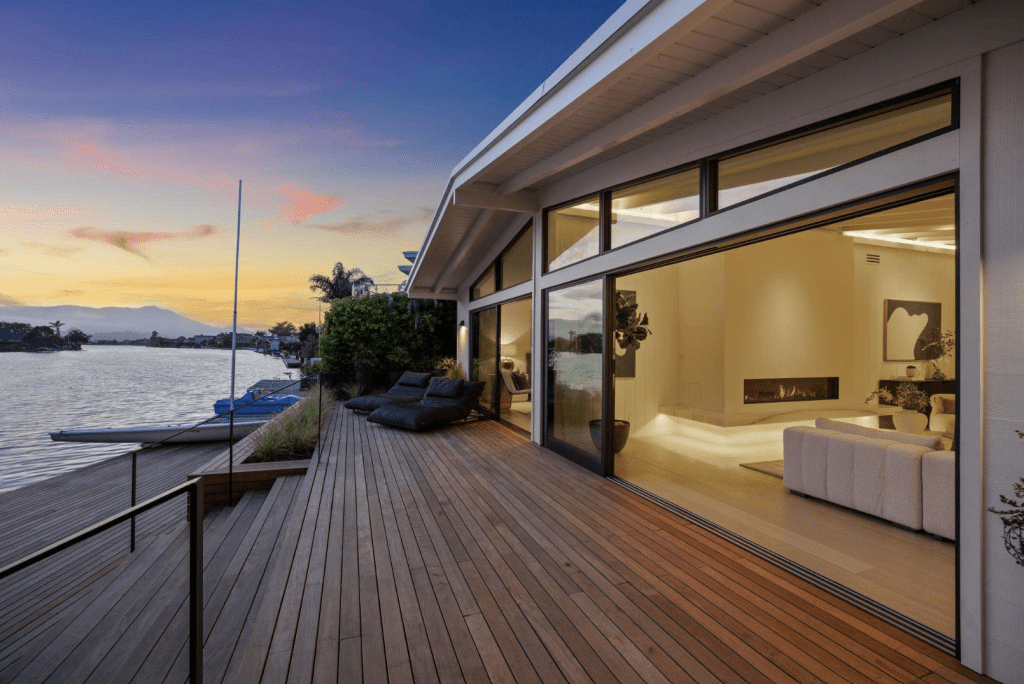
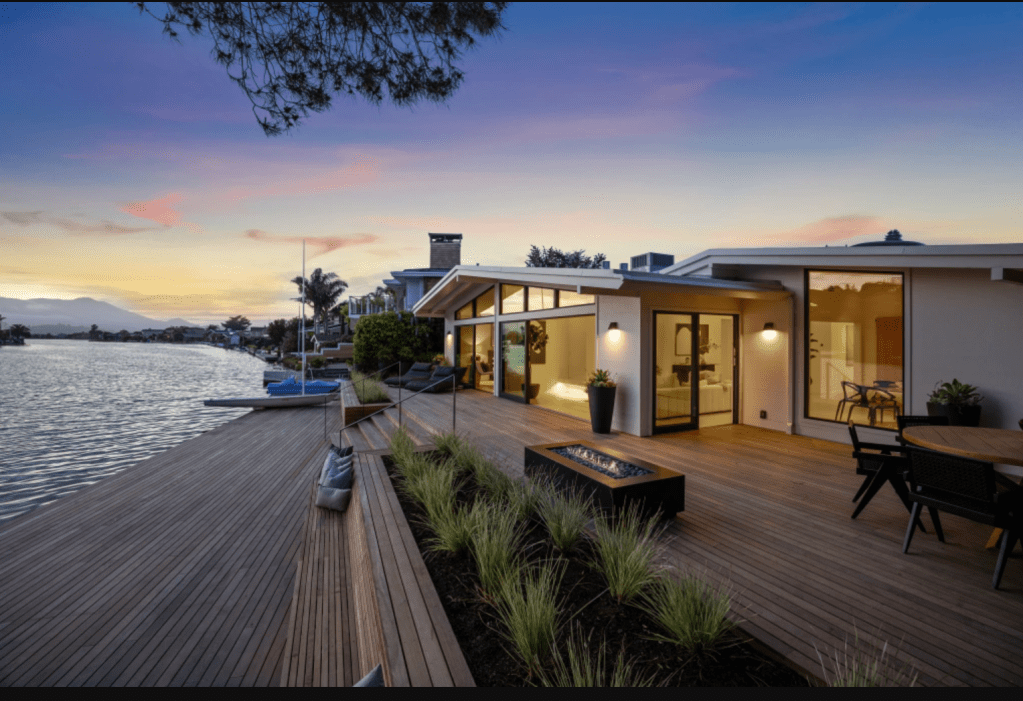
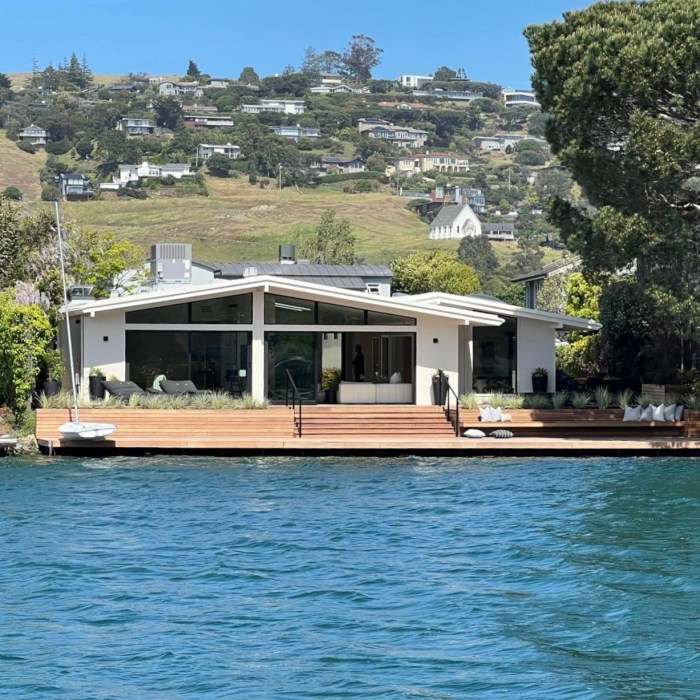
The History Of Belvedere Lagoon

Exploring the Serene Waters: A Historical Journey through Belvedere Lagoon

https://orlastudios.com/belvedere-lagoon-residences-by-orla-studios-architecture/ See this link for our architectural projects

Nestled within the picturesque town of Belvedere, California, lies a hidden gem that has captivated residents and visitors alike for generations – the Belvedere Lagoon. This tranquil body of water, with its serene ambiance and breathtaking views, holds within its depths a rich history that reflects the charm and allure of this waterfront community.

The Coast Miwok Native Americans first inhabited Belvedere and remained there, undisturbed, for thousands of years.

It wasn’t until 1834 that Mexico granted a land grant to a 29 year old Irish immigrant by the name of John Reed. It was the first land grant in Marin County. John Thomas Reed was born in Dublin, Ireland, in 1805 and died in Marin County in 1843. He shipped to South America in 1820 and lived in Acapulco, Mexico, for six years where he learned the language and customs. He arrived in the Bay Area in 1826.

He built the first framed building in Marin and began running the first regular ferry on the San Francisco Bay. After becoming a Mexican citizen, he was granted the lands in the Mill Valley/Corte Madera/Tiburon area by Governor Figueroa, as long as he built a sawmill and provided wood for the presidios in San Francisco. He then named his land Rancho Corte Madera del Presidio.

The Belvedere islands were part of the 8,000-acre Mexican land grant to Reed that spread out from Tiburon Peninsula to Mill Valley.

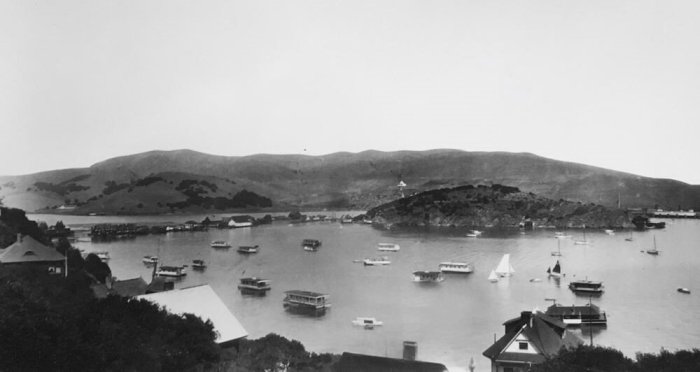
Belvedere, which faces Sausalito across Richardson Bay, was incorporated in 1896 as holiday destination for the affluent in San Francisco. In the late 19th century, arks and sailboats wintered in Belvedere Lagoon. The drawbridge, shown below, would be raised each spring to allow pleasure boats and some arks to go to their Summer moorings outside the tranquil waters of the lagoon.

Origins and Development

After the 1906 earthquake, families moved from San Francisco to their holiday homes or houseboats known as Arks that were docked in the lagoon.
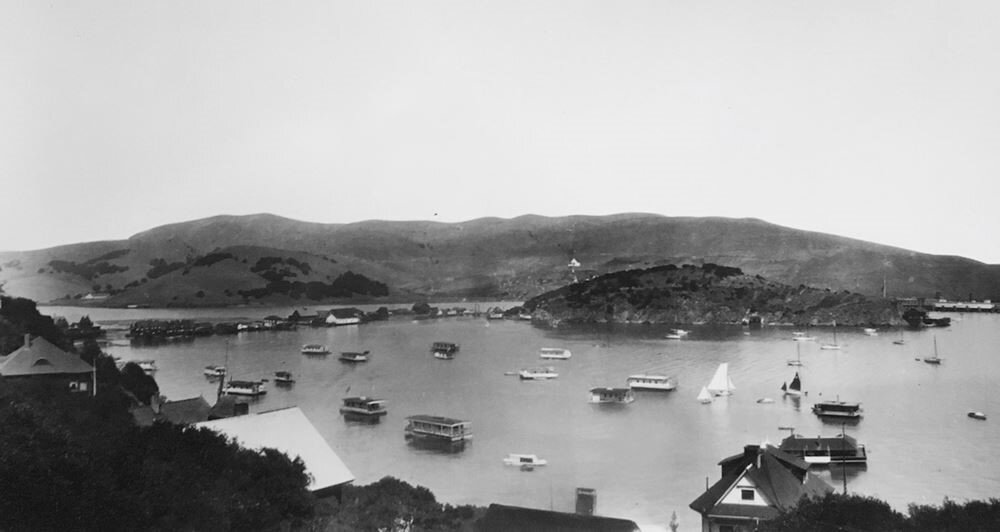
Cod fishery: Belvedere-Tiburon Landmarks Society. Courtesy Steve Seid

The story of the Belvedere Lagoon begins in the early 20th century when the area was primarily marshland, home to a Cod fishery which burned in 1937.

In the 1930’s, developer Harry B. Allen, founder of the Belvedere Land Company, bought the remaining burned out buildings and envisioned transforming this marshy terrain into an exclusive residential enclave using local Belvedere Architects. Allen’s ambitious plan involved dredging the marshes and creating a man-made lagoon, a feat that would dramatically alter the landscape of Belvedere.

By the late 1930s, Allen’s vision started to materialize as the lagoon began to take shape. The dredging process involved excavating the marshes and connecting them to the Richardson Bay, effectively creating a sheltered inlet that would become the Belvedere Lagoon.

This engineering marvel not only enhanced the natural beauty of the area but also laid the foundation for the development of waterfront properties by Belvedere Architects that would define the character of the area for decades to come. Allen ran a conduit under San Rafael Avenue changing the inlet to the Richardson Bay side.

Using earth from Red Hill in Tiburon, he created new peninsulas of land, almost every parcel had water access. 243 single family homes and 30 rental properties were created. Some were designed by Belvedere Architects employed by the Belvedere Land Company, those lots started at 5,000. Later, by the 1950’s, the lagoon lots were sold for 50,000. New owners hired renowned Belvedere architects like Joe Esherick, Quincy Jones, George Rockrise and Harold Wolfland. They built in a new modern style, now called mid-century modern, with open floor plans. Eager to develop new ideas that married the mass production and technology invented during the first half of the 20th century with a more optimistic outlook for the future, they created architectural gems with the following characteristics essential to the lagoon lifestyle: clean lines, floor-to-ceiling windows, open floor plans and indoor outdoor living spaces,

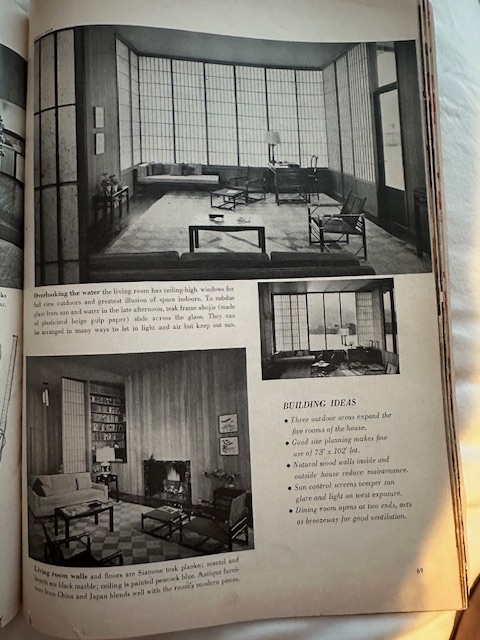
One of the first houses built by Campbell and Wong, a renowned architect, on Peninsula Road, for a Bechtel Engineer, was highlighted in a 1956 House and Garden Edition. The Tiburon hillside visible in the photograph is largely undeveloped.

Images courtesy Randee and Jeffrey Binstock.

INNOVATIVE GROUNDBREAKING ARCHITECTURAL DESIGNS:

The Mid Century Lagoon Residences were an opportunity for talented and inspiring architects to push the boundaries of home design.
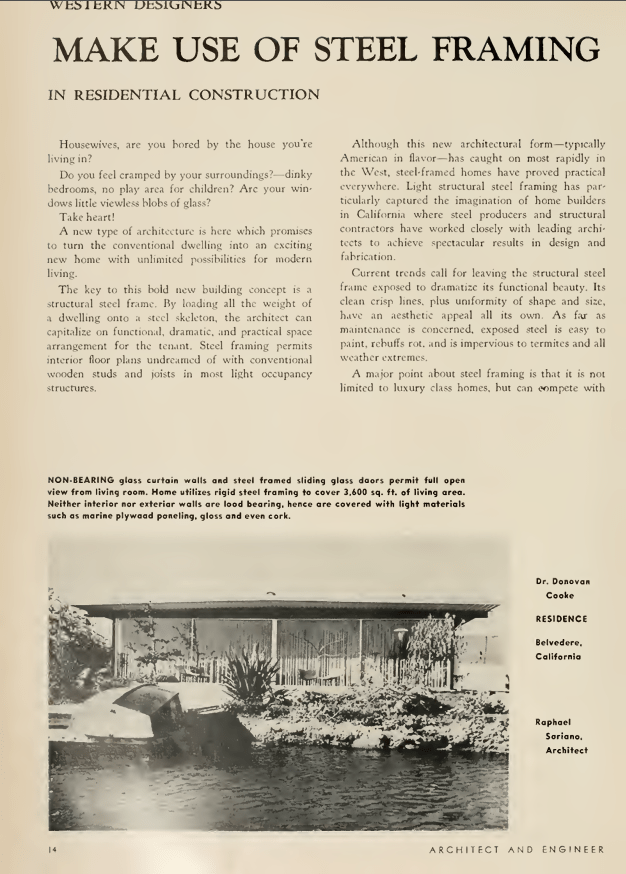
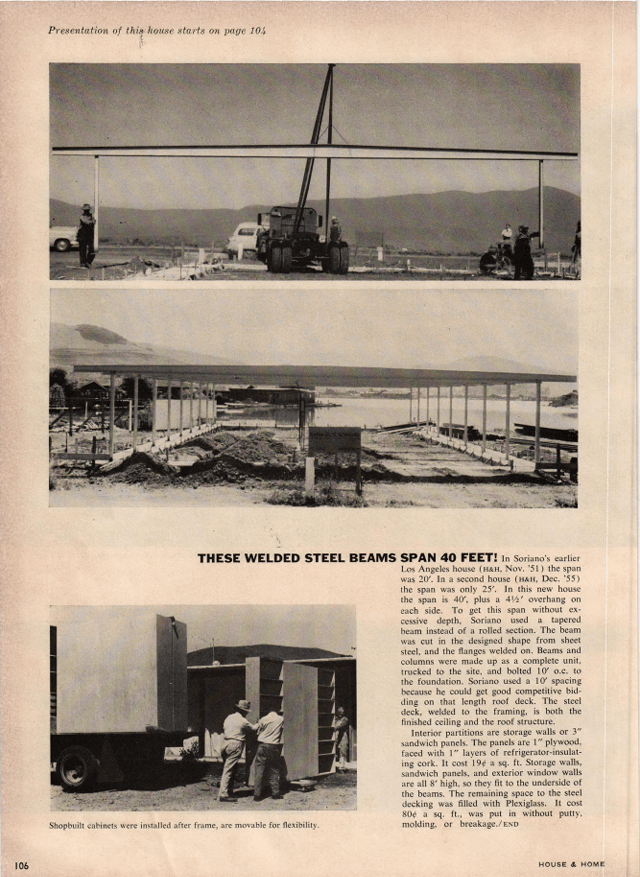
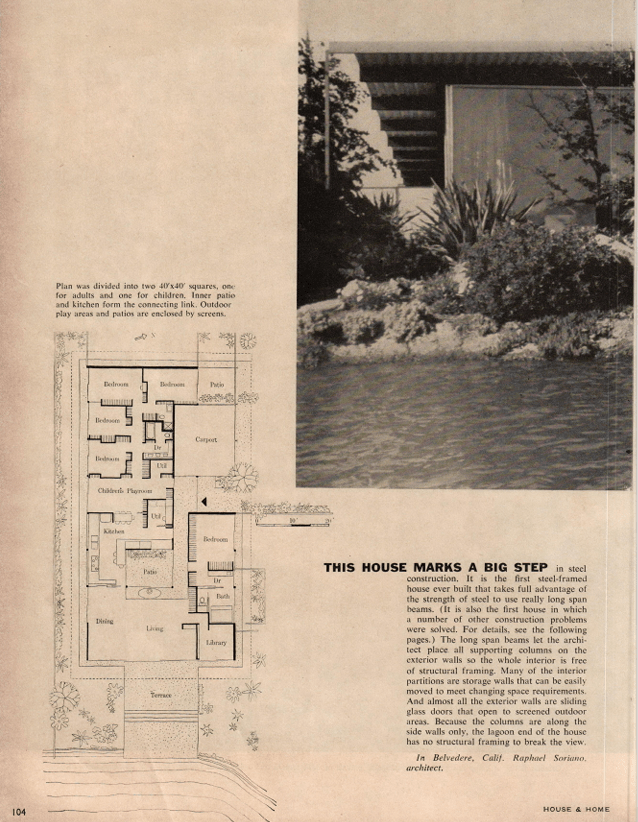
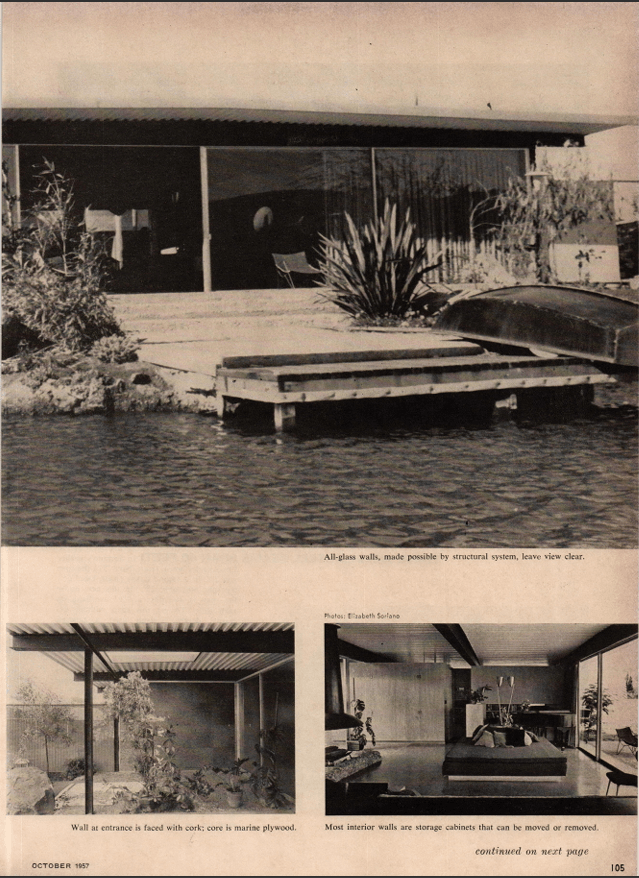
Innovative design was devised for this Belvedere Lagoon home, featured in a 1957 edition of House and Home, and a 1959 Engineer and Architect Edition, by renowned Mid century Belvedere Architect, Raphael Soriano. It was the first to use long span, 40′, tapered steel framing to create large glazed areas and allow the whole interior to be free of structure, allowing all the exterior walls to be sliding glass, no structural framing to break the view to the lagoon.
Throughout the 20th century, the Belvedere Lagoon became synonymous with the Bay Area outdoor lifestyle, attracting affluent residents seeking waterfront living in an idyllic setting. The surrounding properties, ranging from elegant estates to modern residences, were meticulously designed by Belvedere Architects to maximize views of the lagoon and the surrounding landscape, further enhancing the allure of this waterfront community.

The lagoon itself became a playground for sailors and their children, with residents enjoying various water-based activities such as boating, sailing, and kayaking. Its tranquil waters provided a serene escape from the hustle and bustle of city life, offering a sanctuary where residents could unwind and connect with nature.

Preservation and Conservation Efforts

As Belvedere evolved over the years, Belvedere architects built out the remaining lots. The preservation of the lagoon and its surrounding ecosystem became a priority for both residents and local authorities. Recognizing the ecological significance of the area, efforts were undertaken by the Belvedere Lagoon Properties Owners Association to protect the delicate balance of flora and fauna that call the lagoon home.

Today, the Belvedere Lagoon stands as a testament to the successful marriage of human ingenuity and environmental stewardship. Its pristine waters continue to attract visitors from far and wide, drawn by the allure of its natural beauty and the rich history that imbues every corner of this waterfront paradise.

In the heart of Belvedere, amidst the rolling hills and majestic mansions, it stays a tranquil oasis that has stood the test of time. From its humble beginnings as marshland to its transformation into a coveted residential enclave, the lagoon has remained a symbol of luxury, elegance, and natural beauty.

While a lot of the original architecture has been renovated and replaced by new construction, Belvedere Architects retain the connection to the water in their innovative new designs.

Reflecting on its storied and interesting past from Miwok Indians to present day, the lagoon properties demonstrate the timeless allure of waterfront living and the enduring appeal of a community shaped by its rich history and boundless potential. The Belvedere Lagoon is not just a body of water; it is a testament to the human spirit and our innate desire to create and preserve beauty in the world around us.

https://www.belvederelagoon.org

Orla Studios Guide to NetZero:

Building Science is continually evolving and getting more efficient so how to get to netzero is subject to change but here is our best for now 🙂 Check out the end of the post for how to renovate your home in stages to NetZero, everyone can have this!

What is NetZero? Why does it make sense?

  • A NetZero home is one that produces as much energy as it uses each year so it no longer contributes to global warming.
  • Buildings are 45 percent of the global carbon emissions problem so homeowners, architects and building designers have a lot of power to change sea level rise and the other major concerns we are encountering worldwide.

This means a new way of building and innovative thinking.

We need to create a building that uses less energy than before because it is better built and has the ability to generate its own energy.


Let’s look at how to design a house in preparation for NetZero use:

ne

Passive Solar Design: What is this?

It is usually not possible to get this exact, as sites differ, but the intent is below.

  • In passive solar building design, windows, walls, and floors are made to collect, store, reflect, and distribute solar energy in the form of heat in the winter and reject solar heat in the summer
  • Design the house to use the sun, breezes to heat and cool.
  • East West Orientation in the northern hemisphere: (Orientation is different in southern hemisphere)
  • Design the building long in the east west face, maximizing the south face. The north face has very little windows and more thermal mass.
  • South facing sun: in the summer when it is too hot, the angle of the sun is very high so an overhang can keep your house cool
  • In the winter, the south facing sun is low in the sky and can bring in the sunlight to the interior to warm the home.

See the source image

  • We can create models on our computers to show where the sun will travel around your home.

Thermal mass: what is this?

  • Thermal mass captures the sun’s energy
  • In the daytime, the sun comes in and heats up the thermal mass, it soaks the heat up
  • In the evening the concrete, stone or other thermal mass material radiates off the heat slowly, heating the home.

See the source image

See the source image

See the source image

Air movement to passively cool:

See the source image

  • Air movement is not always used for NetZero as a really tight and efficient envelope is more energy saving but it depends on individual house design
  • we can modify other elements to use passive cooling.

Energy efficient building envelope:

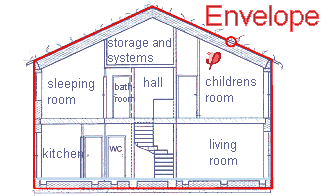
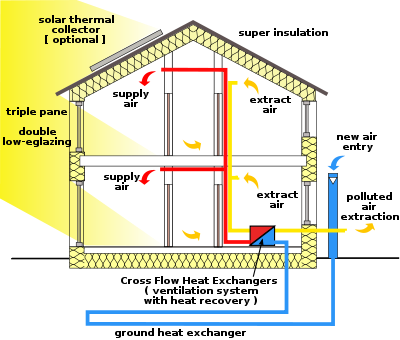
To get to netzero it helps to have a really energy efficient building envelope, basically a blanket over and around your structure to keep heat in when its cold outside and keep cool air inside when it heats up. Insulation can provide half of the heat needed to heat your home.

See the source image

Does that mean the air is stuffy inside?

No

  • there is a system which will bring in fresh air from the outside
  • the air goes through a unit that captures the heat content of the air to make it similar to what is inside the house and releases it into the home
  • It also removes air continuously from the house so you get a very fresh house
  • This system has filters so it actually can be really helpful if you have someone prone to asthma or allergies in your family

How do you get an energy efficient envelope?

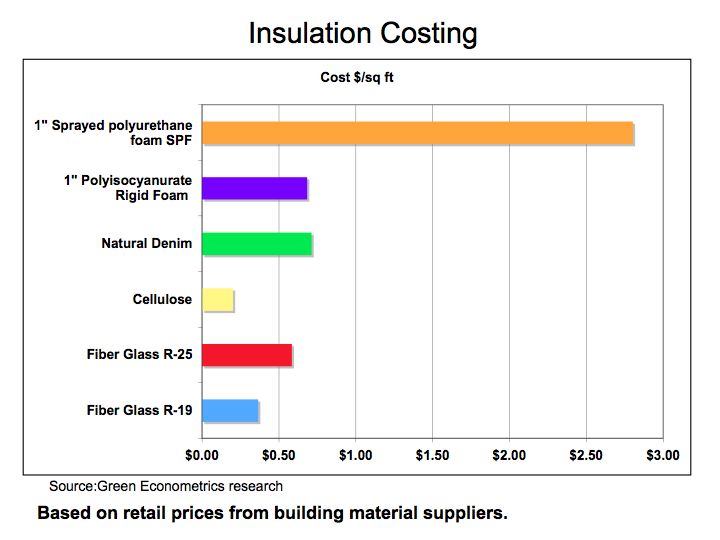
  • Insulation is cheap and you will lose less energy heating and cooling so you insulate all the building envelope, windows and doors, below slab, walls above grade, walls below grade and roof
  • Closed cell insulation has become more and more energy efficient but is higher cost
  • We will cover options to super insulate your home in another Orla Studios Guide.
  • The diagram below is just one option using regular insulation and double wall construction from fine home building magazine but there are lots of less labor intensive options!
  • For windows and doors, manufacturers are bringing out more efficient models every year so you do not necessarily need to use triple glazing anymore to get to netzero.

See the source image

Double-stud walls are a low-tech way to create highly energy-efficient walls with common materials and familiar assemblies


How do you test for a no leak tight exterior envelope:

  • Sealing up the house perimeter is important so there are no air leaks.
  • There is a test your contractor can do call a blower test to see how airtight the envelope is.

See the source image

  • There are a number of new products on the market to help seal the natural openings created during construction that we will cover in another Orla Studios Guide.


So how do you make your house use as little energy as possible:

Let’s look at the typical energy users in your house:

Heating and cooling:

  • HVAC equipment designers work with the most efficient compressors, fans, and pumps, coupled with advanced controls, to meet the net-zero energy goal. The result is a more efficient system that uses less energy and saves operational costs.
  • Smarter controls and the Internet of Things (IoT) are playing a large part in ensuring a building is operating as efficiently as possible.

Here are some of the most efficient and green options for heating and cooling your home:

Geothermal energy is thermal energy generated and stored in the Earth.

See the source image

If the ground temperature is warmer than the ambient air temperature, the heat pump can move heat from the ground to the building. The heat pump can also operate in reverse, moving heat from the ambient air in a building into the ground, in effect cooling the building. Ground source heat pumps require a small amount of electricity to drive the heating/cooling process.

Ductless Heat Pumps

Air-source ductless heat pumps (DHPs) require no ducts or water pipes and are sometimes referred to as mini-splits. In addition to saving energy, they cost less to install and create only two penetrations in the building shell. DHPs can be sized accurately to meet the needs of small, efficient homes, which makes them a good match for many zero energy homes.

Image result for ductless heat pumps

Radiant heat:

Hydronic radiant heating and cooling is used in 50% of net-zero energy buildings. It’s a cost-effective way to downsize forced-air HVAC systems, cutting energy use yet enhancing comfort.

Use Heat pump water heaters:

Takes heat out of the air and uses it to start to heat the water so you use less energy to get hot water.

Some models have both input and output ducts so you can have a water heater that blows cold air.

Huge energy savings. Standard electric water heaters uses $500 per year for family for four, heat pump is $208 per year.

See the source image

Cooking:

Induction cooktops are instant on, instant off and all electric so you can use your solar panels to operate them. They use magnets and are really efficient using special pans the cooktop stays cool always so it is safer for your family.

WHAT IS A HEAT PUMP DRYER?

A heat pump dryer works as a closed loop system by heating the air using it to remove moisture from the clothes and then reusing it once the moisture is removed. Rather than releasing warm, humid air through a dryer vent to the exterior of the home as a conventional dryer does, a heat pump dryer sends it through an evaporator to remove the moisture without losing too much heat. Making use of a refrigerant as part of this process means less electricity is used to generate heat.

HEAT PUMP DRYER ADVANTAGES

  • Easy to install since they don’t require ventilation
  • Can reduce energy use by at least 28% compared to standard dryers
  • Dries laundry at low temperatures, so they are gentler on clothes

Lighting:

There are many wonderful LED lighting options now to light your home using very little electricity.

How does your home generate its own energy?

Solar Panels:
This is where you generate power and we can do calculations to figure out how many panels you need to get to NetZero. It depends on the local utility how they value the energy you provide and how much you can save.

See the source image

Wind power:

More and more affordable options are being developed every day. Wind power has about a quarter of the carbon footprint of solar panels which means the manufacturing process contributes less to global warming.

  • An advantage of the microturbines required for home use is that they need less wind to begin turning than their commercial cousins.
  • Being smaller they generate less power
  • Small wind turbines are defined as producing less that 100 kilowatts per hour, usually less than ten, with quite a number generating more like 1.5kW/hr.

See the source image

  • The higher above the roof the turbine can be positioned the stronger the breeze will be. Wind speed increases at the seventh power above effective ground level.
Residential Wind Turbine Pair Above Netherlands Rooftop - iStockPhoto

Electric car: Not really part of the netzero equation but will save you money if you build a netzero house

See the source image

See the source image

Netzero will be a requirement in California for new houses starting 2020.

How the home above got to Netzero:

  • High-performance rain screen building envelope with continuous exterior insulation
  • Over insulated roof beyond required Washington State Energy code minimums
  • Radiant floor heating and Energy Recovery Ventilation System
  • 10 kWh PV Solar Panel array, engineered for Tesla Powerwall battery backup system
  • Use of rustic materials, including stone, Cor-ten steel, and reclaimed barn wood with modern detailing
  • Exposed steel and wood structure throughout the main spaces
  • Radiant Heat
  • Heating and ventilation system can be monitored and adjusted remotely
  • Massive board-formed concrete fireplace
  • LED lighting
  • Energy efficient aluminum-clad wood windows and doors
  • Electric car charging station

NetZero Renovation:

You can also renovate your home to NetZero in steps: check out one of our favorite Canadians who does just that:

#renovate #netzero #globalwarming #stopglobalwarming #cop24 #cop25 #solar

#gonetzero , #, , , , #, , #, #,

Orla Huq

Orla Studios Guide to Flood Resilient Design and Architecture

Orla Huq

The Big U – BIG Teams Vision for Rebuild by Design from BIG on Vimeo.
Designing for Flood Risk focuses on preparing buildings to withstand the threat of coastal flooding, while ensuring that they support everyday livability and quality of life. The devastation wrought in waterfront communities from recent Hurricanes and storm surge has brought a new level of urgency to this work. Flood tolerance is the capacity to remain undamaged and functional when flooded, which requires adapting the built environment to floods.

For a diagram of the Sea Level Rise impact to your community see maps below prepared by Union of Concerned Scientists: (all of maps referenced here are continuously being updated as new data comes in)

https://ucsusa.maps.arcgis.com/apps/MapSeries/index.html?appid=cf07ebe0a4c9439ab2e7e346656cb239

The USA National Oceanic and Atmospheric Administration:

https://coast.noaa.gov/slr/

or climatecentral.org:

https://choices.climatecentral.org/#12/40.7116/-74.0010?compare=temperatures&carbon-end-yr=2100&scenario-a=warming-4&scenario-b=warming-2

How can we ensure that buildings meet higher flood protection standards while preserving the vitality of our neighborhoods?
 

BASE FLOOD ELEVATION (BFE) the computed elevation in feet to which floodwater is anticipated to rise during the base flood, is the regulatory requirement for the elevation or floodproofing of structures. A building’s flood insurance premium is determined by the relationship between the BFE and a structure’s elevation.

“In the coastal velocity zone (“V zone”), where hurricane storm surge is the risk and wave action is the driving force, you need an open foundation on pilings, which allows waves to pass below the home’s occupied space. Waves pack an enormous punch—because water is so much more massive than air, a 2-foot or 3-foot wave is far more destructive than the hurricane winds that are pushing it. That’s why a 30-foot surge with high battering waves, like Hurricane Katrina brought in 2005, is able to scrape shorelines clean of buildings” Ted Cushman, Building mag.

We need to develop a flood-tolerant lifestyle based on flood adaptation at the property level:

a completed home is raised up on a steel frame, above ground level

  • allows the site to flood, protecting from potential damage
  • flood water flows freely underneath the building- development does not adversely impact the flood plain as a whole and excess water isn’t pushed elsewhere

Learning lessons from Hurricane Sandy in 2012, a residence in New Jersey was designed as follows:

  • critical wet-flood proofing measures were incorporated in the design to mitigate heavy flooding, property damage and disruption of vital services
  • The flood resilient landscape is built outside the sea wall to prevent soil erosion and to stabilize the natural shoreline
  • Native plants, establishing a dense network of root systems, surround the site to help the fragile dunes and create a sustainable, flexible approach to long-term maintenance
  • Bioswales are strategically planted to help prevent overwash from flowing directly back to the sea
  • They also trap stormwater runoff until it can be safely drained into the soil. Wood decking can temporarily capture runoff and maximize groundwater recharge, a defense against coastal subsidence
  • Rising 14 feet above sea level, the residence is accessed through a flood vent that allows for the equalization of pressure from unexpected and rapid surges and flooding

Image result for flood resilient design residential building

Image result for combined dry and wet flood proofed ares building mixed use ny

RIBA competition entry above: flood solution

Permeable Paving:

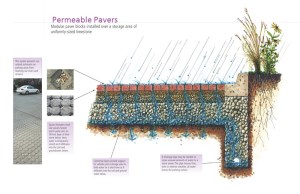
Permeable pavers are specially designed paving units—often concrete or stone—with gaps between them filled with permeable aggregate. These gaps allow water to seep through into a subsurface reservoir or directly into the soil.

How They Help with Flooding

  • Reduces Runoff: Water infiltrates through the pavers, reducing surface runoff and minimizing flood risk.

  • Improves Drainage: Subsurface layers temporarily store water and slowly release it into the ground.

  • Pollution Control: Filters out pollutants before water reaches local waterways.

  • Urban Resilience: Ideal for cities with limited green space and high impervious surface coverage

  • reduces the risk of flash flooding by slowing down the flow of rainwater to help to discharge it back to the ground at a reduced flow rate

Drainage swales to prevent and ease flash flooding from heavy rainfall:

Image result for drainage swales

Swales can be part of an area’s natural landscaping, or they can be created to help ensure proper drainage, minimize runoff or capture storm water. In simple terms, they are generally shallow ditches that have gently sloping sides.

  • swales are a cost effective and more natural solution to traditional drainage construction
  • provide an opportunity to introduce more native species to a site
  • the swales can be seeded with a mix containing species suitable for seasonally wet soils

Green corridors/temporary holding ponds for flood waters:

Water Boulevards, a concept developed in England, creates a network of green corridors to manage and passively reduce flooding, integrating Green Infrastructure and Water Sensitive Urban Design into City streets. It can be applied as a network of green corridors to any city at risk of flooding. Water Boulevards is a project by Baharash Architecture.

Water Boulevards from Baharash on Vimeo.

Parks as water holding areas:

Parks can be designed to double as a water holding area during a flood event. Parks, designed like this one in Copenhagen, allow recreational areas like skate parks to become temporary holding ponds for flood waters:

Image result for copenhagen flood park

Image result for copenhagen flood park

 
Mechanical and electrical equipment protection during flood events:
Image result for flood resilient design residential building
  • Mechanical and electrical equipment such as HVAC, boilers, and water heaters should also be relocated above BFE whenever possible. It is important not only to protect the equipment from flood damage, but also to prevent gas and oil from mixing with flood water contributing to other environmental risks.
  • In flood prone areas the main lines should be run through the ceiling or upper wall then down to switches and outlets set at mid-wall height. Any wiring installed below the BFE must be water-resistant

Two approaches to floodproofing buildings: Wet and Dry:

Wet floodproofing:
  • allows buildings in the flood zone to be designed to allow floodwaters to enter and leave the structure without the use of any mechanical equipment.
  • Spaces that are below grade on all sides are prohibited, and the lowest occupiable floor is required to be elevated above the BFE
  • To prevent the collapse of building walls, a wet-floodproofed building allows for the equalization of hydrostatic forces on both sides of the wall during a flood event. This is achieved with openings at the ground level called flood vents see Orla Studios Guide to Flood Vents
  • All emergency exit stairwells and corridors shall be wet floodproofed and designed with hydrostatic openings (flood vents) to maintain the operation of the exit door. Emergency exits must open at grade. Evacuation points from elevated
  • floors are not acceptable as emergency exits.

Dry floodproofing:

  • Dry floodproofing makes a structure watertight up to at least the level of the BFE through the implementation of sealants, flood shields, aquarium glass and strengthening structural components to resist hydrostatic forces from floodwaters, and protecting utilities from flood damage
  • Unlike wet floodproofing, the first floor of a dry-floodproofed structure can be at
  • an elevation below grade or below the base flood elevation.
  • Through dry floodproofing, building access can be maintained at grade with no apparent differences from a non-floodproofed condition
  • Any of these conditions will generally entail higher construction
  • costs. Dry floodproofing can present safety hazards during a flood event by blocking egress, so it is not allowed in entirely residential buildings
  •  
Image result for flood resilient design residential building
As a fairly common practice in New York City, new mixed-use buildings
in A zones have combined wet and dry floodproofed areas at the ground
floor. With this solution, portions of the building are sealed at the ground floor
to keep floodwaters out, while lobbies and entryways are designed to accommodate flooding
Image result for new york sea level rise
 

Flood and Hurricane proof skyscraper in NYC:


Image result for american copper building

“In American Copper Apartments, (above) developers decided to fortify the two towers with features that would mitigate the effects of a hurricane, including a flood resilient basement and lobby and a park that doubles as a bioswale.

Mechanical equipment that would typically be found in the basement — such as generators, electrical switchgear, and pumps — is on the second floor, above the flood line” writes Lauren Young of Science Friday,


Nearly 2 million people were left without power during the Sandy storm in NYC, and some were living in buildings for no power for a week, the developer of these apartments elected to put things like water pumps, elevators, lights, electrical charging outlets and people’s refrigerators on emergency power generators.

Full article about American Copper: https://www.sciencefriday.com/articles/building-flood-proof-skyscraper-resilient-climate-change/

This image has an empty alt attribute; its file name is fotor-ai-2023082915959.jpg

Helping neighborhood vibrancy when first floors need to be elevated above base flood plain:

 
  • A planting buffer with shrubs or trees, combined with other façade treatments such as vertical articulation, can mitigate limited ground-floor activity
  • Architectural elements like turns in an entry stair, porches or decks for one and two family buildings can mitigate the distance between grade and the first occupied floor of a building, introduce an additional horizontal visual feature that gives the façade more of a pedestrian scale, and bring “eyes on the street” with a semi-private space closer to the sidewalk
  • Access elements such as stairs and ramps can be integrated into the landscaping to make a more seamless transition from sidewalk to building. Grading should be designed that does not create drainage problems for adjacent properties

Architect Alejandro Aravena in Chile devised a coastal solution to a city devastated by a tsunami, plagued by annual flooding, protecting the City with a park/forest with water capture:

“We opted for a participatory process; we asked the people: What else is bothering you? What other problems do you have, and you want us to take care of now that the city will have to be rethought from scratch? And what they said was: look, it’s fine to protect the city against future tsunamis, we really appreciate, but the next one is going to come in, what, 20 years? But every single year, we have problems of flooding due to rain. In addition, we are in the middle of the forest region of the country, and our public space sucks. It’s poor and it’s scarce. And the origin of the city, our identity, is not really connected to the buildings that fell, it is connected to the river, but the river cannot be accessed publicly, because its shores are privately owned.

So, we thought that we had to produce a third alternative: Against geographical threats, provide geographical answers. What if, between the city and the sea, we have a forest? A forest that doesn’t try to resist the energy of nature but dissipates it by introducing friction. A forest that may be able to laminate the water and prevent the flooding, that may pay the historical debt of public space and that may provide, finally, democratic access to the river.” Aravena. 

MITIGATION_PARK_BY_ELEMENTAL_02

C:UsersJulietDesktopELEMENTALULTIMOSPRC_BASE_PROPUESTA ANSI B 20000 (2) (1)

Coastal community planning and development codes need to be updated immediately:

  • Planning and zoning could be modified allowing for additional flexibility to raise yards and building heights to resolve the difference between existing grade and BFE, making it possible to resolve the height differential between them

RESOURCES:

San Francisco has a Model for Grant Assistance for Flood Preparation:

The San Francisco Public Utilities Commission (SFPUC)’s Floodwater Grant Program (“Grant Program”) helps property owners in San Francisco minimize the risk of property damage due to flooding. They encourage Residents to take advantage of the Grant Program which reimburses flood victims who want to install improvements like doorway seals, flood gates or plumbing upgrades to lessen or prevent future flood damage. More info here:

https://sfwater.org/index.aspx?page=681

New Jersey Excellent Guide to Resilient Building Design:

http://www.hobokennj.gov/docs/communitydev/Resilient-Buildings-Design-Guidelines

For Cities trying to protect Utilities and Wastewater plants, excellent guide from US Environmental Protection Agency:

https://www.epa.gov/sites/production/files/2015-08/documents/flood_resilience_guide.pdf
New York Cities Video about their flood resilience strategies:


[youtube https://www.youtube.com/watch?v=cFEJJFsDpvI&

#flood #floodplanning #floodvent #resilientarchitecture #greendesign #sustainable #resilientbuildings #flooddesign #retentionponds #flooding #wetproofing #dryproofing

Orla Huq Orla Studios Guide to Flood Resilient Design

Orla Huq

#orlastudiosowner #orlastudiosowner #orlastudiosowner

Orla Studios Guide to Designing with Mass Timber

At Orla Studios, we see mass timber as more than a building material—it is a framework for designing sustainable, human-centered architecture. Our architectural project, the Mass Timber Winery, now under construction in Napa Valley, embodies the principles and best practices of designing with this extraordinary material. Below, we share an in-depth guide to approaching mass timber design, from concept to construction.


Understanding Mass Timber

Mass timber is an umbrella term for engineered wood products created by layering and bonding smaller wood elements into large structural components. The main types include:

  • Cross-Laminated Timber (CLT): Layers of lumber stacked at right angles and glued together to form rigid panels ideal for walls, floors, and roofs.
  • Glue-Laminated Timber (Glulam): Boards bonded lengthwise to form strong beams and columns.
  • Nail- or Dowel-Laminated Timber (NLT/DLT): Lumber fastened together without adhesives, creating panels suited for decking and floors.

Each type has specific advantages, and successful projects often combine several systems.


Principles of Designing with Mass Timber

  1. Early Integration of Structure and Architecture
    Mass timber is most successful when structural and architectural design proceed hand in hand. The size and spacing of beams, columns, and panels dictate interior proportions and aesthetics. Unlike steel or concrete, mass timber structure is often left exposed, so early design decisions directly shape the building’s character.
  2. Modularity and Prefabrication
    Mass timber panels and beams are fabricated off-site with precision CNC cutting. This allows for rapid assembly, but it requires careful planning during design. Dimensions should align with manufacturing standards, transportation limits, and crane capacities. Modular thinking reduces waste and speeds up construction.
  3. Fire Safety Design
    Despite being wood, mass timber achieves robust fire performance. Panels char at a predictable rate, forming a protective layer that insulates the structural core. Designers must account for sacrificial charring when sizing beams and panels, and coordinate closely with fire consultants and code officials.
  4. Seismic and Structural Performance
    Timber’s lightness and flexibility reduce seismic loads compared to concrete. Connections—steel plates, dowels, and screws—become critical elements of design. Careful detailing ensures both strength and ductility, particularly in taller structures or those in earthquake-prone regions.
  5. Acoustics and Vibration Control
    Mass timber’s lightness can present challenges with sound transmission and floor vibration. Solutions include layering materials (e.g., topping slabs or acoustic mats), designing for thicker panels, and integrating sound-absorbing finishes in interiors.
  6. Moisture and Durability
    Protecting timber from prolonged moisture exposure is essential. Overhangs, rainscreens, and controlled detailing at joints prevent water infiltration. During construction, weather protection measures (temporary roofs, membranes) safeguard panels before the building envelope is complete.
  7. Mechanical, Electrical, and Plumbing (MEP) Coordination
    Because panels are prefabricated, openings for ducts, conduits, and fixtures must be carefully planned and cut before delivery. Close coordination with engineers ensures services are integrated cleanly, avoiding costly on-site modifications.

Design Opportunities with Mass Timber

  • Exposed Beauty: Unlike steel or concrete, mass timber structure is celebrated visually. Beams, columns, and ceilings can remain exposed, reducing the need for finishes and creating warm, natural interiors.
  • Biophilic Design: Natural wood enhances human well-being by connecting occupants to nature, lowering stress, and improving productivity.
  • Hybrid Systems: Many projects combine mass timber with steel or concrete. For example, concrete cores may house elevators and stairs while timber spans large open areas. This hybrid approach maximizes structural efficiency.

Case Study: Our Mass Timber Winery

Our  Winery in Napa Valley demonstrates how these principles come together:

  • Open Production Spaces: Long-span glulam beams create column-free zones for winemaking, while CLT panels form insulated, breathable roof structures.
  • Hospitality and Experience: In the tasting room, exposed CLT ceilings and timber columns bring warmth and intimacy, reinforcing the winery’s connection to the vineyard landscape.
  • Sustainability in Practice: The winery leverages the carbon-sequestering qualities of timber, combined with passive cooling strategies and rainwater management systems, to minimize environmental impact.
  • Craft and Precision: Every joint and detail has been coordinated digitally before fabrication, ensuring a seamless on-site assembly and minimal waste.

Looking Ahead

Designing with mass timber requires a mindset shift—from linear construction sequencing to integrated, collaborative design. Architects, engineers, manufacturers, and builders must work as one team, with sustainability and precision at the core.

At Orla Studios, we are committed to advancing mass timber design across residential, commercial, and cultural projects. Our Winery project illustrates what is possible: architecture that is sustainable, resilient, and deeply connected to place. For us, mass timber is not just a material—it is a philosophy of building responsibly for the future.

Building for the winemaker artisans of napa valley: on site – our mass timber/clt winery

Building in the landscape: We love the construction process as we work with the client, owner’s representatives and the general contractor to build something unique!

MARIN RESIDENCE

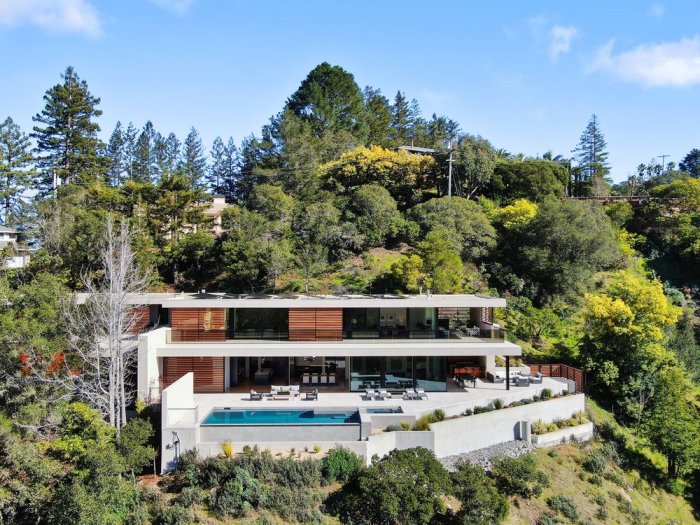
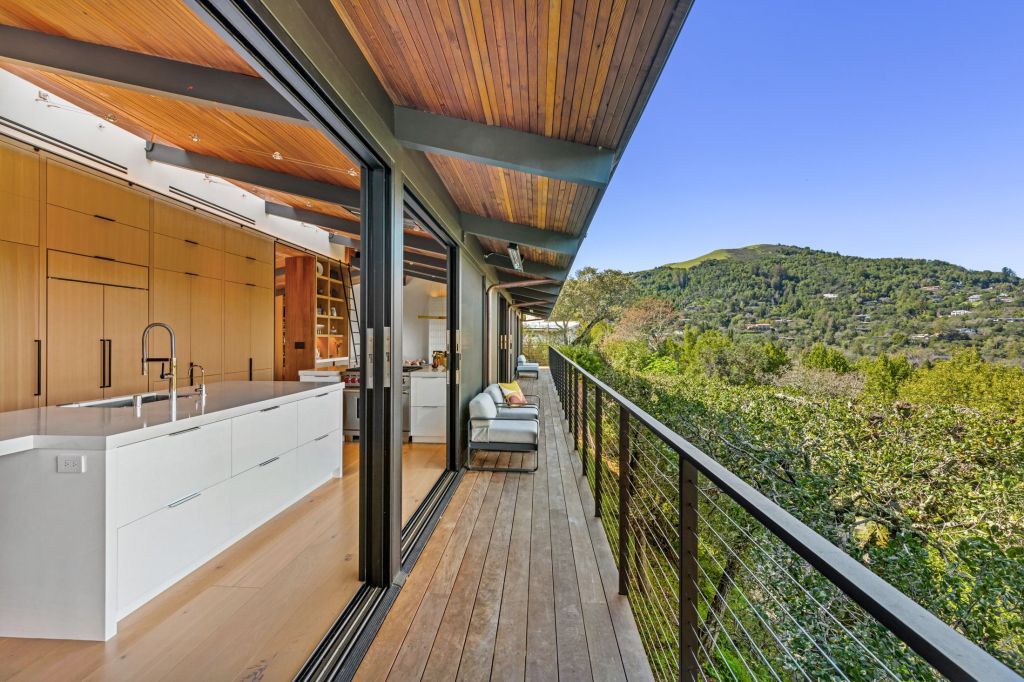
With beautiful views of Mt. Tam, this residence is positioned on the side of a nature reserve so feels utterly private, wonderful indoor outdoor lifestyle!

BELVEDERELAGOON RESIDENCE

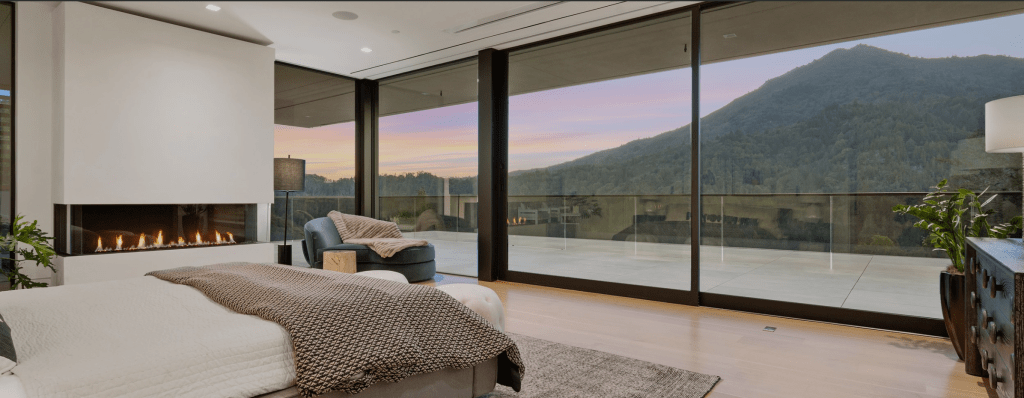
Gorgeous sunsets in a Mid Century completely redesigned for a bachelor’s dream abode!

Mill Valley Residence

BELVEDERE LAGOON RESIDENCE

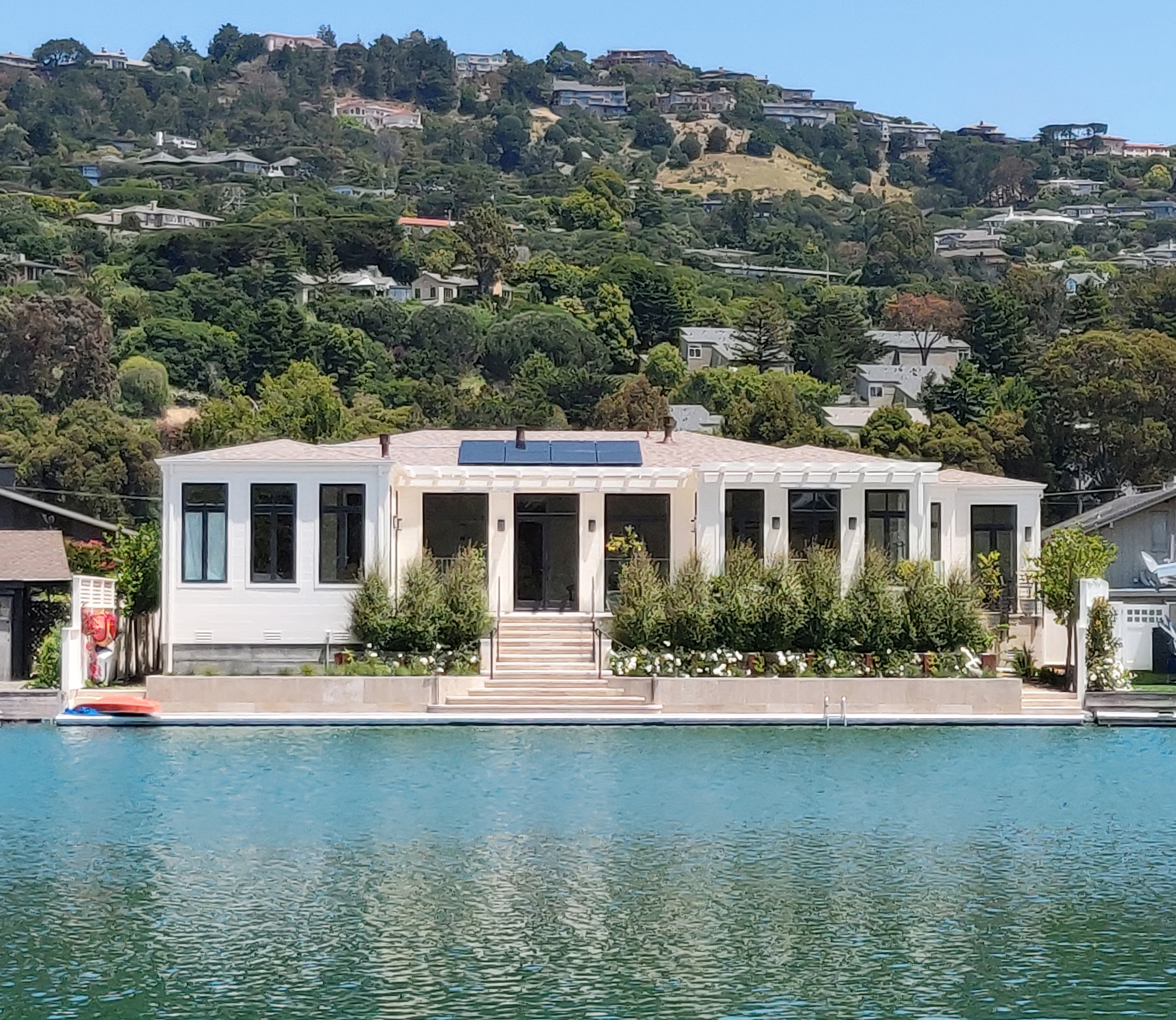
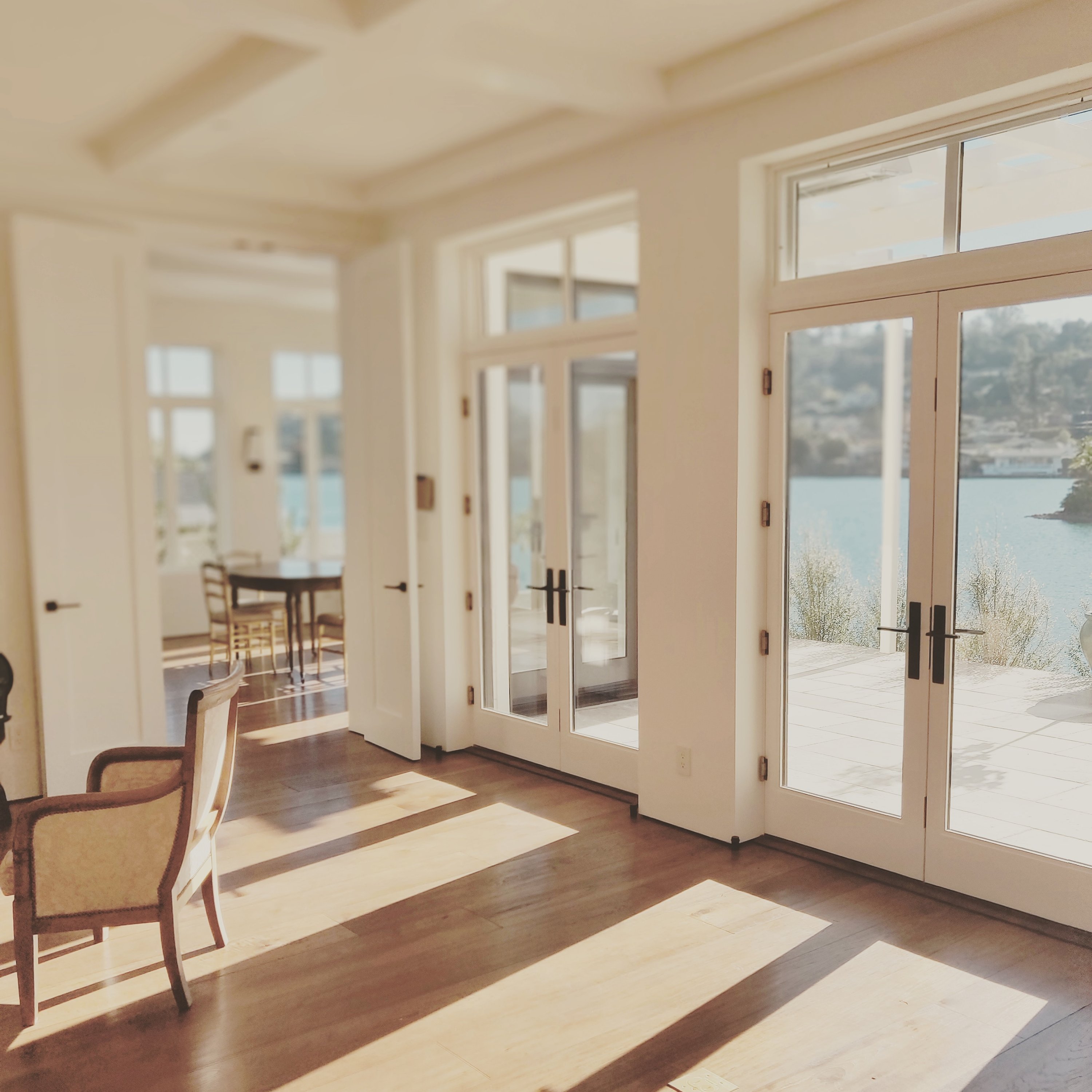
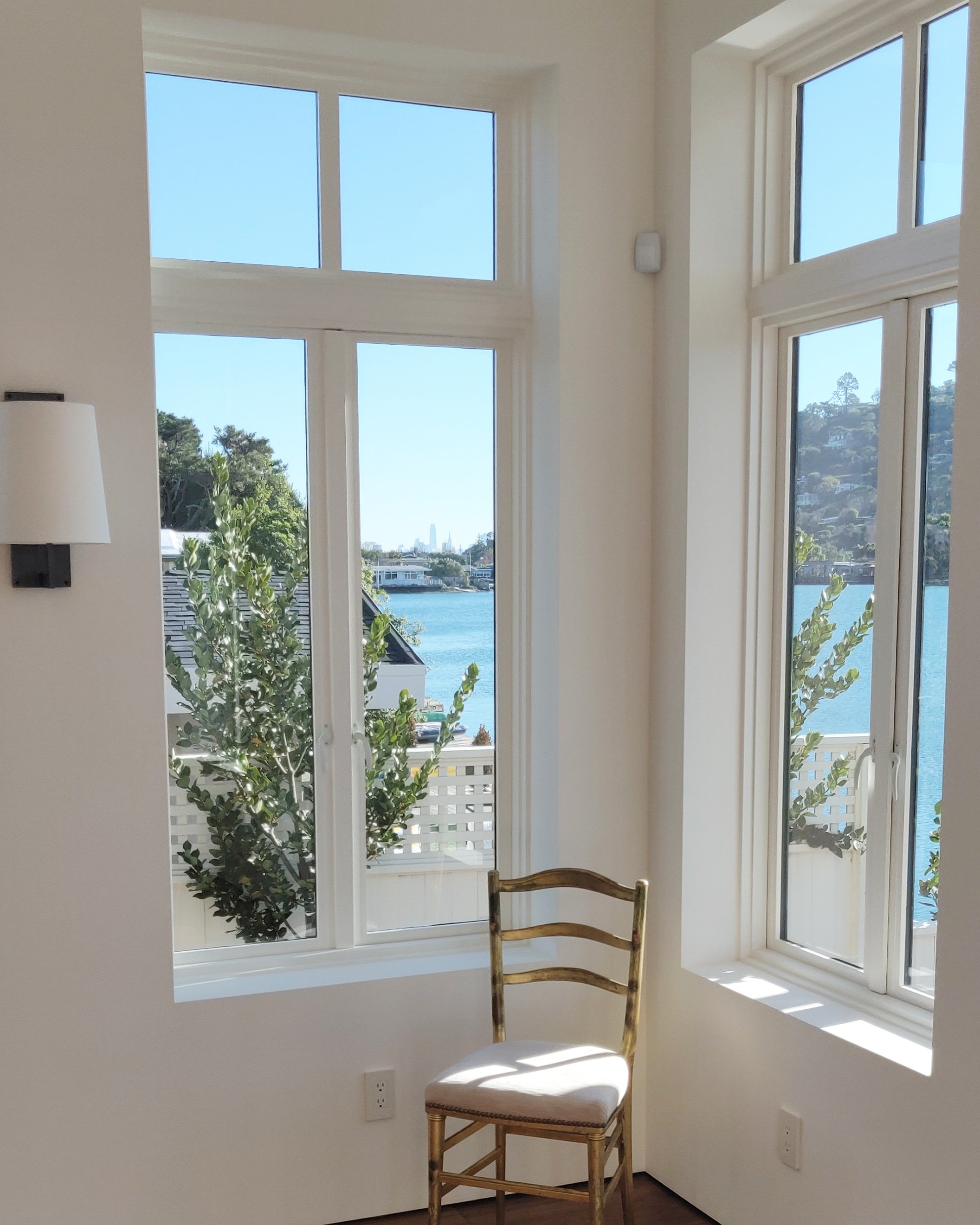
The blissful waters of Belvedere lagoon are viewed from every window of this classically inspired house for a wonderful Parisian client!

IMG_20190530_123930_856
img_20190104_182148_6551609083497358478378.jpg
img_20190102_193720_7334496698730831137811.jpg
img_20190107_012539_9927500054592436799608.jpg
img_20190108_173956_1167090130398461526880.jpg
img_20190107_083233_8517172379786499925104.jpg
img_20190112_152159_8979042689570909817358.jpg
img_20190103_193239_5372647377163351628309.jpg

ROSS RESIDENCE

ross

AWARD WINNING THROCKMORTON VILLAGE CONDOMINIUMS MILL VALLEY

2017 First Place Winner for Light Commercial Project – CLCA AWARDS
New Multifamily development of three buildings, multiple units, in Downtown Mill Valley, CA

Best Hospitality Architecture Firm 2024 – California

Excellence Award in Project Management 202

Mill Valley Architecture

Mill Valley, nestled among the rolling hills of Marin County in California, boasts a rich architectural heritage shaped by its natural surroundings, cultural influences, and historical evolution. From quaint cottages to modern masterpieces, Mill Valley Architects work reflects a harmonious blend of tradition and innovation, seamlessly integrated into the picturesque landscape.

All images are from and linked to the wonderful Mill Valley Historical Society, extract from their website below:

The first Anglo-Saxon settler in Marin was an Irishman, John Thomas Reed. Born in Dublin in 1805, he went to sea with a seafaring uncle at the age of 15. He left the ship at Acapulco, where he stayed for six years and learned to speak Spanish fluently. In 1826, he sailed to Los Angeles on a Mexican ship and then continued north to Yerba Buena (later to be named San Francisco). He was anxious to settle down, requesting a land grant from the Mexican government. He had discovered an area around “Whaler’s Cove” near Sausalito that he greatly coveted, while on a sailboat trip on the bay. He built the first framed house in Marin County. He founded the first ferry service to ferry passengers across the bay and for carrying fresh spring water from the sources in Sausalito to the Presidio at Yerba Buena.

Historic Charm: At the heart of Mill Valley’s architectural identity are its historic buildings by then renowned Mill Valley architects, many of which date back to the late 19th and early 20th centuries. Victorian and Craftsman-style homes line the tree-lined streets, exuding timeless charm with their intricate details, pitched roofs, and inviting porches. These historic residences serve as a testament to the town’s heritage and contribute to its distinctive character.

Redwood Elegance: Mill Valley’s proximity to the majestic redwood forests has greatly influenced its architectural aesthetic. Redwood, prized for its durability and natural beauty, features prominently in many homes and structures throughout the area. The best Mill Valley Architects honored the heritage of redwood trees. From rustic cabins to modern retreats, the tapestry of the buildings interweaved with the redwoods showcases a reverence for the local environment while imparting a sense of warmth and authenticity to the architecture.

Mid-Century Modernism: The mid-20th century brought a wave of modernist architecture to Mill Valley, reflecting the era’s embrace of clean lines, open spaces, and indoor-outdoor living. Renowned architects such as John Liebermann, an acolyte of Frank Lloyd Wright and Joseph Esherick left their mark on the landscape with innovative designs that harmonize with the natural terrain. Flat roofs, expansive windows, and minimalist aesthetics characterize many of these mid-century homes, offering a contemporary counterpoint to the town’s traditional architecture.

Environmental Sensibility: In tune with its progressive ethos, Mill Valley embraces sustainable design principles that prioritize environmental stewardship and energy efficiency. Many newer homes feature green building techniques, such as passive solar design, high-performance insulation, and rainwater harvesting systems. Green roofs and native landscaping further enhance the ecological sustainability of the built environment, reflecting the town’s commitment to preserving its natural beauty for future generations.

Architectural Diversity: One of the most striking aspects of Mill Valley’s architecture is its diversity, spanning a spectrum of styles and influences. The best Mill Valley Architects create buildings that range in style from Spanish Colonial Revival to Mediterranean villas, Tudor cottages to contemporary estates, the town’s built environment reflects a tapestry of cultural heritage and individual expression. This architectural diversity contributes to the town’s vibrant character, inviting residents and visitors alike to explore its rich architectural tapestry.

Integration with Nature: Central to the ethos of Mill Valley’s architecture is a deep reverence for the surrounding natural landscape. Homes are often nestled seamlessly into the hillsides, taking full advantage of panoramic views and sun-drenched slopes. Outdoor living spaces, from terraced gardens to expansive decks, blur the boundaries between interior and exterior, inviting residents to commune with nature and embrace the rhythms of the seasons.

The architecture of Mill Valley embodies a captivating synthesis of tradition, innovation, and environmental consciousness. Mill Valley Architects created historic landmarks to contemporary marvels, each structure contributes to the town’s unique identity, rooted in its natural beauty and cultural heritage. As Mill Valley continues to evolve, its architecture remains a testament to the enduring spirit of creativity and stewardship that defines this enchanting community.

Designed by renowned architectural firm WBE, the Mill Valley Public Library boasts a sleek and contemporary aesthetic that complements its natural surroundings. Clean lines, geometric forms, and thoughtfully curated materials create an atmosphere of modern sophistication, inviting visitors to explore and engage with the space. The library’s interior spaces are bathed in natural light, creating a warm and inviting ambiance that encourages relaxation and contemplation.


Mill Valley Society Origins:
The Mill Valley Historical Society’s origin was inspired by the dedication of Lucretia Hanson Little, former City of Mill Valley Deputy Clerk and official Mill Valley historian. Born in 1908, Mrs. Little was raised in Mill Valley, graduated from Tamalpais High School, and in 1926 joined the first class at Marin Junior College, now College of Marin. After leaving Mill Valley in 1927 to attend Northwestern University in Illinois, she returned in 1950 and held the position of Deputy City Clerk from 1951 until her retirement in 1973.
https://www.mvhistory.org/annual-walk-into-history/
https://www.mvhistory.org/join-support/


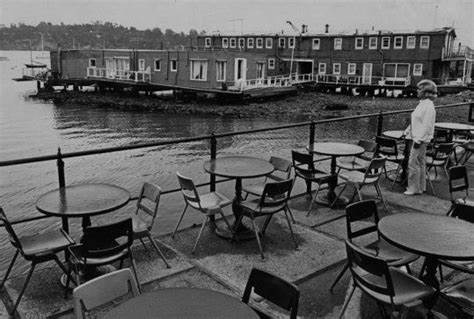
Guide to Floating Home Architecture in Sausalito

Houseboat/Floating home design is a captivating intersection of architecture, engineering, and maritime innovation. Sausalito Architects tasked with crafting these floating dwellings must navigate a myriad of concerns, from structural integrity to environmental sustainability, while infusing each design with creativity and elegance. By addressing these challenges with ingenuity and foresight, architects can create houseboats that not only fulfill the practical needs of their occupants but also inspire a sense of wonder and adventure on the open water.

Beyond functionality, houseboat design presents an opportunity for Sausalito architects to evoke beauty and elegance on the water. Embracing the principles of maritime architecture, designers can seamlessly integrate form with function, harmonizing with the natural surroundings while expressing the unique character of the vessel. Thoughtful attention to detail, from exterior finishes to interior aesthetics, enhances the visual appeal of houseboats, transforming them into floating works of art.

Space is at a premium in floating home design, necessitating creative strategies to optimize every square inch. Sausalito Architects must design multi-functional spaces that serve dual purposes, maximizing usability without sacrificing comfort. Incorporating clever storage solutions, flexible furniture arrangements, and compact fixtures enables architects to craft efficient yet inviting interiors tailored to the unique needs of houseboat living.

The history of houseboat and floating home architecture in Sausalito, California, is a fascinating tale that dates back to the mid-20th century. Sausalito, our picturesque waterfront town located just north of San Francisco, and its houseboat community has a unique and storied past.

Origin of Sausalito Floating homes: The roots of the community in Sausalito can be traced back to the 19th century when floating homes and houseboats were used for various practical purposes, including fishing and transportation. However, it was during the 1960s that the houseboat culture as we know it today began to take shape.

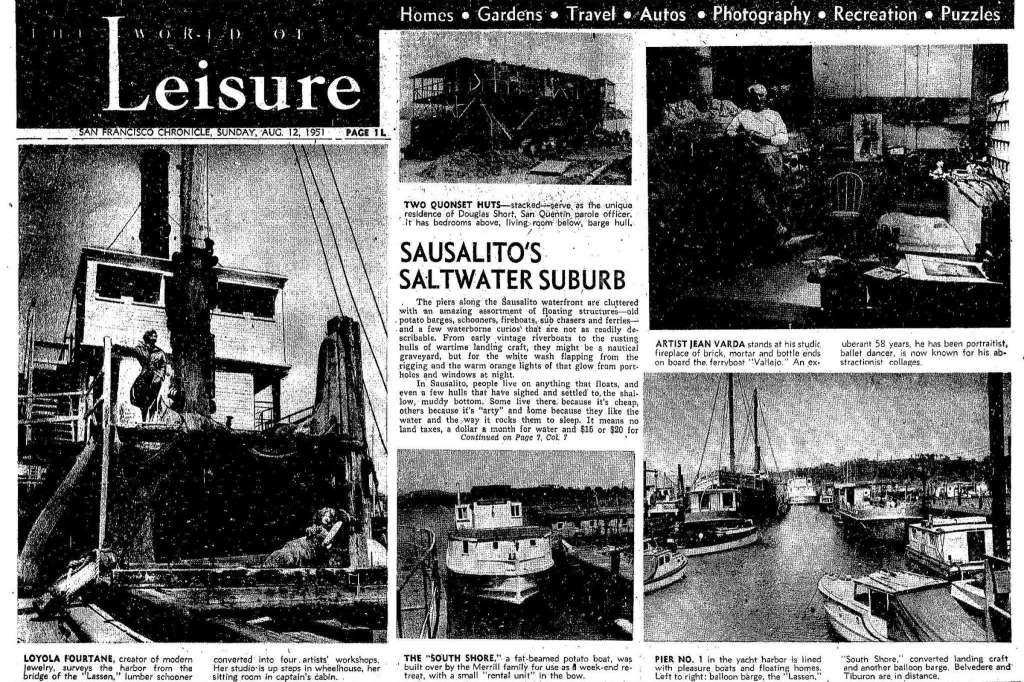
During the second world war, the houseboats of Richardson Bay were evicted to make way for a giant 200-acre shipyard. In the next three and half years, the Marinship Corporation built a staggering 93 ships there. At its peak, 20,000 workers toiled around the clock.

Post-World War II Era: After World War II, Sausalito, like many other waterfront communities in the United States, saw a decline in its industrial activities. Abandoned boats and barges began to fill the shores of Richardson Bay. As a result, artists and bohemians, drawn by the allure of a cheaper and alternative lifestyle, started to move into these abandoned vessels and converted them into floating homes.

The Hippie Movement: The 1960s counterculture movement, particularly the “Hippie” culture, had a significant impact on Sausalito’s floating home community. Many free-spirited individuals seeking an unconventional lifestyle and communal living found solace on these floating homes. The colorful and eclectic houseboat community became a symbol of the era’s bohemian ideals designed by some of the best architects in Sausalito.

Legal Challenges: The growing houseboat community faced various legal challenges during its early years. The local government questioned the legality of these makeshift dwellings, leading to zoning and land-use disputes. However, over time, the residents successfully navigated these challenges and secured legal recognition for their unique way of life.

Houseboat Tours and Attraction: As the houseboat community in Sausalito gained fame, it became a popular attraction for tourists. Boat tours started offering visitors a glimpse into this vibrant and artistic waterfront community.

Evolution and Change: Over the years, the Sausalito houseboat community has evolved and diversified. Some houseboats have been modernized with advanced amenities, while others retain their artistic and bohemian charm. The community comprises people from various backgrounds, including artists, writers, professionals, and retirees, who have found a sense of belonging in this picturesque and unconventional neighborhood.

Continuing Challenges: Despite its allure and unique appeal, the Sausalito houseboat community has faced ongoing challenges related to housing regulations, environmental concerns, and changing waterfront development plans. The best ways to preserve this valuable, wonderful and distinctive way of life remains a topic of discussion among residents and local authorities.

Today, the houseboat community in Sausalito remains an essential part of the town’s identity, attracting visitors and residents alike who are drawn to its rich history, artistic ambiance, and stunning waterfront views. It stands as a testament to the power of community and creativity in shaping a unique and enduring cultural phenomenon.

Designing a houseboat in Sausalito:

Designing a houseboat in Sausalito, a popular location for houseboats in the Bay Area, comes with its own unique set of challenges. Here are some considerations specific to Sausalito that you may encounter during the design process:

Building Regulations: Sausalito has specific building regulations and codes that govern houseboat construction. These regulations often cover issues such as height restrictions, setbacks from shorelines, flotation requirements, and environmental considerations. It is crucial to thoroughly understand and adhere to these regulations to ensure compliance and obtain the necessary permits.

Mooring and Slip Availability: Finding an available mooring or slip for your houseboat in Sausalito can be a challenge due to high demand and limited space. The availability of slips may impact the size and design of your houseboat, as you will need to fit within the designated space. It’s important to consider this aspect early on in the design process and work closely with marinas or harbor authorities to secure a suitable mooring location.

Environmental Impact: Sausalito places a strong emphasis on environmental preservation and sustainability. As such, you will need to consider the ecological impact of your houseboat design. This may involve implementing eco-friendly building materials, incorporating renewable energy systems, and addressing waste management and water treatment solutions.

Stability and Seismic Considerations: Sausalito is located in an area prone to seismic activity, so your houseboat design should account for stability and structural integrity. Working with marine engineers who have experience in seismic-resistant designs is essential to ensure the safety of your houseboat during earthquakes or tremors.

Privacy and Community: Sausalito’s houseboat community is tight-knit, and privacy can be a concern. Consider incorporating design elements that provide a balance between openness and privacy, such as strategically positioned windows, fencing, or landscaping. Respecting the community’s norms and regulations is also crucial to maintaining a harmonious living environment.

Utilities and Infrastructure: Ensure that your houseboat design addresses essential utilities such as water, electricity, and sewage systems. Since houseboats are not connected to traditional infrastructure networks, you will need to plan for alternative solutions such as water tanks, on-board power generation, and appropriate waste management systems.

Access and Transportation: Houseboats in Sausalito may have limited access to roads and parking. Consider how you will transport construction materials to the site and plan for transportation options for yourself and guests. Additionally, factor in accessibility requirements for people with disabilities during the design process.

Maintenance and Durability: Given the exposure to saltwater and the harsh marine environment, houseboats in Sausalito require regular maintenance. Incorporate materials and finishes that are resistant to corrosion, moisture, and UV damage. Consider using marine-grade materials and coatings to ensure the longevity and durability of your houseboat.

Navigating these challenges will require working closely with professionals who have experience in houseboat design and construction in the Sausalito area. Engaging with local architects, marine engineers, and contractors who are familiar with the specific requirements and regulations can help ensure a successful and compliant design process.

#orlastudiosowner #orlastudiosowner #orlastudiosowner

What is mass timber?

Mass timber refers to a category of engineered wood products that are used as structural elements in building construction. Unlike traditional stick framing, which uses dimensional lumber, mass timber utilizes large solid wood panels or beams to create load-bearing structures. It is an innovative and sustainable construction material that offers numerous advantages in terms of strength, fire resistance, and environmental impact.

Here are some commonly used types of mass timber:

  1. Cross-Laminated Timber (CLT): CLT is made by stacking multiple layers of wood boards or planks in alternating directions and bonding them together with adhesive. The resulting panel has excellent strength and stability in both directions, allowing for structural use as floors, walls, and roofs. CLT panels can be prefabricated off-site and assembled quickly during construction.
  2. Glue-Laminated Timber (Glulam): Glulam is produced by bonding together individual pieces of lumber using strong adhesives. The resulting beams or columns have enhanced structural performance and can be manufactured in various shapes and sizes to suit different design requirements. Glulam is often used for long-span applications and can provide an aesthetically pleasing exposed wood finish.
  3. Laminated Veneer Lumber (LVL): LVL is made by bonding thin wood veneers together with adhesives, creating a high-strength composite material. It offers improved structural performance compared to solid lumber and is commonly used for beams, headers, and other load-bearing members.
  4. Dowel-Laminated Timber (DLT): DLT is similar to CLT but instead of using adhesive, it uses hardwood dowels inserted between the laminations to provide structural integrity. DLT panels are often used for walls, ceilings, and roofs.

Benefits of Mass Timber:

  1. Sustainability: Wood is a renewable resource, and mass timber products have a lower carbon footprint compared to traditional construction materials like concrete and steel. Mass timber acts as a carbon sink, as the wood stores carbon dioxide throughout its lifespan.
  2. Strength and Performance: Mass timber products have excellent structural properties, with high strength-to-weight ratios. They can withstand heavy loads and provide stability and resilience in construction.
  3. Fire Resistance: Mass timber exhibits good fire performance due to its charring properties. When exposed to fire, the outer layer of wood chars and forms an insulating layer, slowing down the spread of fire and maintaining structural integrity.
  4. Speed and Efficiency: Mass timber components can be prefabricated off-site, allowing for faster and more efficient construction. The precision manufacturing and lightweight nature of these products enable shorter construction schedules.
  5. Aesthetics and Biophilic Design: The natural warmth and beauty of wood contribute to a pleasant and inviting built environment. Exposed mass timber elements can enhance the aesthetics of a space, providing a connection to nature and promoting biophilic design principles.
  6. Thermal Performance: Wood has inherent insulating properties, which contribute to better thermal efficiency and reduced energy consumption in buildings.

Mass timber has gained popularity in recent years and has been used in a variety of building types, including residential, commercial, and institutional projects. It offers an eco-friendly, durable, and visually appealing alternative to traditional construction materials, contributing to sustainable and innovative architectural design.

One of our winery projects above with Mass Timber structural elements

Orla Studios: Modern Homes in the Landscape

default

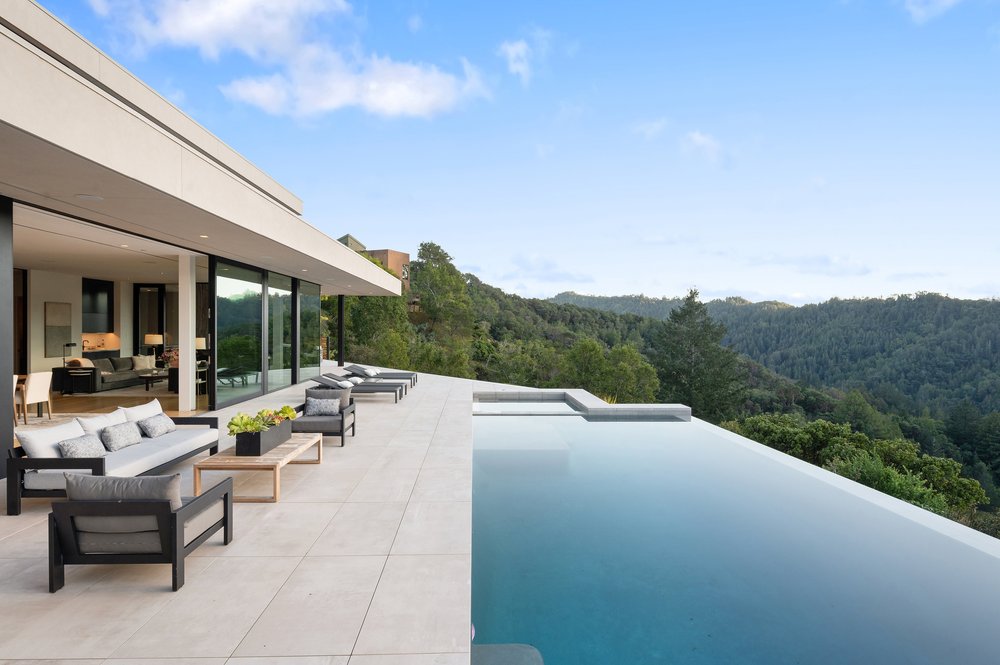
Modern homes and Resorts are particularly suited to a landscape setting. Large areas of glazing, extended overhangs, long decks, indoor outdoor living opportunities. The massing hugging the contours of the site also lend to a beautiful resolution of the design challenge we are faced with when a client contacts us to design and build a project.

Designing a building in the landscape requires a careful balance between integrating the building into the natural surroundings while taking advantage of the landscape’s features. Here are some tips to consider when designing a modern home in the landscape:

Site Analysis: Begin with a thorough analysis of the landscape, considering factors like topography, orientation, views, prevailing winds, and existing vegetation. Identify any unique features that you can highlight or incorporate into the design.

Sustainable Design: Aim for an eco-friendly and sustainable design that minimizes the environmental impact. Utilize passive design principles, such as optimizing natural light, site orientation and placement of spaces, ventilation, and thermal mass to reduce energy consumption. Strive for netzero by incorporating solar, natural cooling and heating, increase insulation.

Cedar soffited overhangs provide shade :

In the northern hemisphere, large overhangs facing south shade living areas from summer heat when the sun is high in the sky overhead. Operable skylights provide cooling opportunities.

Indoor-Outdoor Connection: Modern homes in the landscape should have a seamless transition between indoor and outdoor spaces. Large windows, sliding glass doors, and outdoor living areas can help to connect the interior with the surrounding nature.

Natural Materials: Incorporate natural and locally sourced materials to complement the landscape and create a sense of harmony. Materials like stone, wood, and glass work well in modern designs.

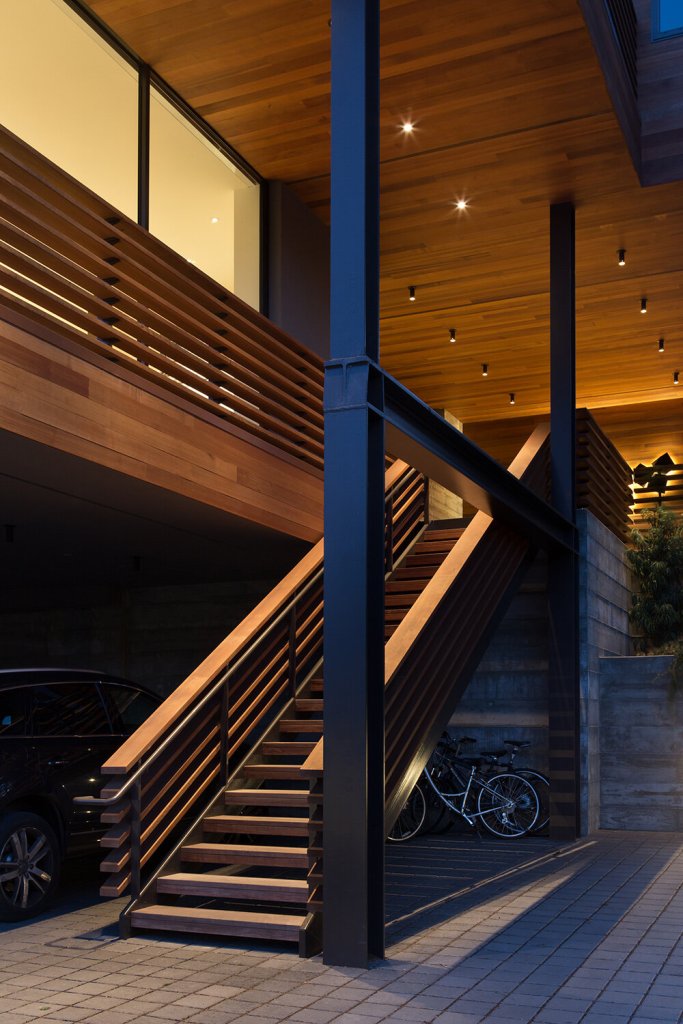
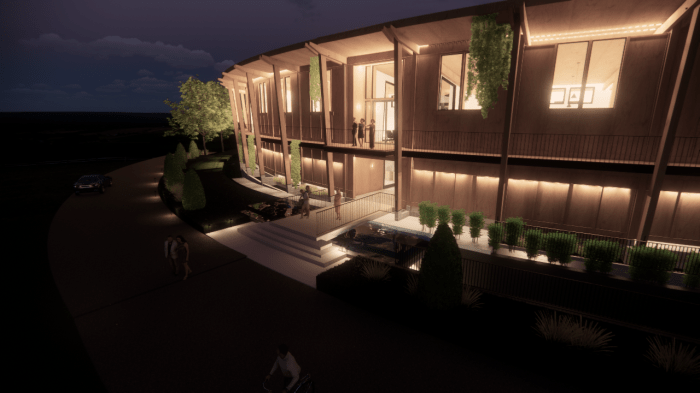
When lit at night, the accents of wood and black framed windows create a backdrop for family and friends to gather at this home. Roof deck above for outdoor living and views.

Minimalist Aesthetics: Embrace the clean lines and minimalist aesthetics often associated with modern architecture. Avoid clutter and unnecessary elements that could detract from the landscape’s beauty.

Roof Design: Consider a green roof or a roof terrace to blend the home into the natural surroundings further. Green roofs can help with insulation and stormwater management while providing additional green space.

Outdoor Landscaping: Use landscaping elements strategically to enhance the overall design. Native plants and low-maintenance landscaping will help the home blend in with the surroundings while attracting local wildlife.

Open Floor Plans: Opt for open floor plans to create a sense of spaciousness and facilitate the flow between indoor and outdoor areas. This openness can also maximize views of the surrounding landscape.

We incorporate large windows and glass walls throughout the homes to maximize natural light and provide unobstructed views of the landscape. These transparent elements will blur the boundaries between the interior and exterior spaces.

Sustainability Features: Incorporate sustainable features, such as rainwater harvesting, solar panels, and energy-efficient appliances, to reduce the home’s ecological footprint and make it more self-sufficient

Respect Nature: While designing, ensure that you respect the existing environment and avoid disrupting natural features. Work around mature trees and natural water bodies rather than removing or altering them.

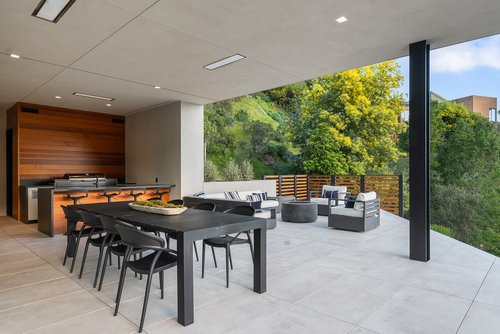
Outdoor Entertainment Areas: If space permits, consider designing outdoor entertainment areas, like a pool, patio, or outdoor kitchen, which can be enjoyed while taking in the beautiful landscape.

Lighting Design: Plan for exterior lighting that highlights the architectural elements of the home while minimizing light pollution and respecting the natural darkness of the surroundings.

Orla Studios Guide to NetZero:

Building Science is continually evolving and getting more efficient so how to get to netzero is subject to change but here is our best for now 🙂 Check out the end of the post for how to renovate your home in stages to NetZero, everyone can have this!

What is NetZero? Why does it make sense?

  • A NetZero home is one that produces as much energy as it uses each year so it no longer contributes to global warming.
  • Buildings are 45 percent of the global carbon emissions problem so homeowners, architects and building designers have a lot of power to change sea level rise and the other major concerns we are encountering worldwide.

This means a new way of building and innovative thinking.

We need to create a building that uses less energy than before because it is better built and has the ability to generate its own energy.

See the source image

Let’s look at how to design a house in preparation for NetZero use:

ne

Passive Solar Design: What is this?

It is usually not possible to get this exact, as sites differ, but the intent is below.

  • In passive solar building design, windows, walls, and floors are made to collect, store, reflect, and distribute solar energy in the form of heat in the winter and reject solar heat in the summer
  • Design the house to use the sun, breezes to heat and cool.
  • East West Orientation in the northern hemisphere: (Orientation is different in southern hemisphere)
  • Design the building long in the east west face, maximizing the south face. The north face has very little windows and more thermal mass.
  • South facing sun: in the summer when it is too hot, the angle of the sun is very high so an overhang can keep your house cool
  • In the winter, the south facing sun is low in the sky and can bring in the sunlight to the interior to warm the home.

See the source image

  • We can create models on our computers to show where the sun will travel around your home.

Thermal mass: what is this?

  • Thermal mass captures the sun’s energy
  • In the daytime, the sun comes in and heats up the thermal mass, it soaks the heat up
  • In the evening the concrete, stone or other thermal mass material radiates off the heat slowly, heating the home.

See the source image

See the source image

See the source image

Air movement to passively cool:

See the source image

  • Air movement is not always used for NetZero as a really tight and efficient envelope is more energy saving but it depends on individual house design
  • we can modify other elements to use passive cooling.

Energy efficient building envelope:

To get to netzero it helps to have a really energy efficient building envelope, basically a blanket over and around your structure to keep heat in when its cold outside and keep cool air inside when it heats up. Insulation can provide half of the heat needed to heat your home.

See the source image

Does that mean the air is stuffy inside?

No

  • there is a system which will bring in fresh air from the outside
  • the air goes through a unit that captures the heat content of the air to make it similar to what is inside the house and releases it into the home
  • It also removes air continuously from the house so you get a very fresh house
  • This system has filters so it actually can be really helpful if you have someone prone to asthma or allergies in your family

How do you get an energy efficient envelope?

  • Insulation is cheap and you will lose less energy heating and cooling so you insulate all the building envelope, windows and doors, below slab, walls above grade, walls below grade and roof
  • Closed cell insulation has become more and more energy efficient but is higher cost
  • We will cover options to super insulate your home in another Orla Studios Guide.
  • The diagram below is just one option using regular insulation and double wall construction from fine home building magazine but there are lots of less labor intensive options!
  • For windows and doors, manufacturers are bringing out more efficient models every year so you do not necessarily need to use triple glazing anymore to get to netzero.

See the source image

Double-stud walls are a low-tech way to create highly energy-efficient walls with common materials and familiar assemblies


How do you test for a no leak tight exterior envelope:

  • Sealing up the house perimeter is important so there are no air leaks.
  • There is a test your contractor can do call a blower test to see how airtight the envelope is.

See the source image

  • There are a number of new products on the market to help seal the natural openings created during construction that we will cover in another Orla Studios Guide.

So how do you make your house use as little energy as possible:

Let’s look at the typical energy users in your house:

Heating and cooling:

  • HVAC equipment designers work with the most efficient compressors, fans, and pumps, coupled with advanced controls, to meet the net-zero energy goal. The result is a more efficient system that uses less energy and saves operational costs.
  • Smarter controls and the Internet of Things (IoT) are playing a large part in ensuring a building is operating as efficiently as possible.

Here are some of the most efficient and green options for heating and cooling your home:

Geothermal energy is thermal energy generated and stored in the Earth.

See the source image

Image result for Geothermal Energy Heating and Cooling

If the ground temperature is warmer than the ambient air temperature, the heat pump can move heat from the ground to the building. The heat pump can also operate in reverse, moving heat from the ambient air in a building into the ground, in effect cooling the building. Ground source heat pumps require a small amount of electricity to drive the heating/cooling process.

Ductless Heat Pumps

Air-source ductless heat pumps (DHPs) require no ducts or water pipes and are sometimes referred to as mini-splits. In addition to saving energy, they cost less to install and create only two penetrations in the building shell. DHPs can be sized accurately to meet the needs of small, efficient homes, which makes them a good match for many zero energy homes.

Image result for ductless heat pumps

Radiant heat:

Hydronic radiant heating and cooling is used in 50% of net-zero energy buildings. It’s a cost-effective way to downsize forced-air HVAC systems, cutting energy use yet enhancing comfort.

Use Heat pump water heaters:

Takes heat out of the air and uses it to start to heat the water so you use less energy to get hot water.

Some models have both input and output ducts so you can have a water heater that blows cold air.

Huge energy savings. Standard electric water heaters uses $500 per year for family for four, heat pump is $208 per year.

See the source image

Cooking:

Induction cooktops are instant on, instant off and all electric so you can use your solar panels to operate them. They use magnets and are really efficient using special pans the cooktop stays cool always so it is safer for your family.

WHAT IS A HEAT PUMP DRYER?

A heat pump dryer works as a closed loop system by heating the air using it to remove moisture from the clothes and then reusing it once the moisture is removed. Rather than releasing warm, humid air through a dryer vent to the exterior of the home as a conventional dryer does, a heat pump dryer sends it through an evaporator to remove the moisture without losing too much heat. Making use of a refrigerant as part of this process means less electricity is used to generate heat.

HEAT PUMP DRYER ADVANTAGES

  • Easy to install since they don’t require ventilation
  • Can reduce energy use by at least 28% compared to standard dryers
  • Dries laundry at low temperatures, so they are gentler on clothes

Lighting:

There are many wonderful LED lighting options now to light your home using very little electricity.

How does your home generate its own energy?

Solar Panels:
This is where you generate power and we can do calculations to figure out how many panels you need to get to NetZero. It depends on the local utility how they value the energy you provide and how much you can save.

See the source image

Wind power:

More and more affordable options are being developed every day. Wind power has about a quarter of the carbon footprint of solar panels which means the manufacturing process contributes less to global warming.

  • An advantage of the microturbines required for home use is that they need less wind to begin turning than their commercial cousins.
  • Being smaller they generate less power
  • Small wind turbines are defined as producing less that 100 kilowatts per hour, usually less than ten, with quite a number generating more like 1.5kW/hr.

See the source image

  • The higher above the roof the turbine can be positioned the stronger the breeze will be. Wind speed increases at the seventh power above effective ground level.
Residential Wind Turbine Pair Above Netherlands Rooftop - iStockPhoto

Electric car: Not really part of the netzero equation but will save you money if you build a netzero house

See the source image

See the source image

Netzero will be a requirement in California for new houses starting 2020.

How the home above got to Netzero:

  • High-performance rain screen building envelope with continuous exterior insulation
  • Over insulated roof beyond required Washington State Energy code minimums
  • Radiant floor heating and Energy Recovery Ventilation System
  • 10 kWh PV Solar Panel array, engineered for Tesla Powerwall battery backup system
  • Use of rustic materials, including stone, Cor-ten steel, and reclaimed barn wood with modern detailing
  • Exposed steel and wood structure throughout the main spaces
  • Radiant Heat
  • Heating and ventilation system can be monitored and adjusted remotely
  • Massive board-formed concrete fireplace
  • LED lighting
  • Energy efficient aluminum-clad wood windows and doors
  • Electric car charging station

NetZero Renovation:

You can also renovate your home to NetZero in steps: check out one of our favorite Canadians who does just that:

#renovate #netzero #globalwarming #stopglobalwarming #cop24 #cop25 #solar

#gonetzero , #, , , , #, , #, #,

Orla Huq