“True luxury is the feeling that someone has considered the details of our experience before we have even become aware of them””
Designing spaces that make us feel welcome
Orla Studios Architects | The Architectural Journal
There are places we remember not simply for their beauty, but for the way they made us feel.
A welcoming entrance, a comfortable chair beside a fireplace, a beautifully laid table overlooking a garden, a shaded terrace where conversation continues long into the evening.
These experiences speak to something fundamental in architecture: its ability to make us feel welcome.
Hospitality is one of the oldest and most meaningful expressions of human culture. Across civilizations and throughout history, the act of welcoming others has influenced the design of homes, gardens, inns, public buildings and places of retreat.
At its heart, the architecture of hospitality is not about impressing people. It is about anticipating their needs, creating a sense of belonging and providing a beautiful setting for human connection.
The most memorable spaces possess a generosity that extends far beyond their physical dimensions.
The Ancient Traditions of Hospitality
Hospitality has held an important place in human society for thousands of years.
In ancient Greece, the tradition of xenia, or guest friendship, established a cultural responsibility to welcome and care for visitors. Offering food, shelter and companionship was considered an important expression of generosity and respect.
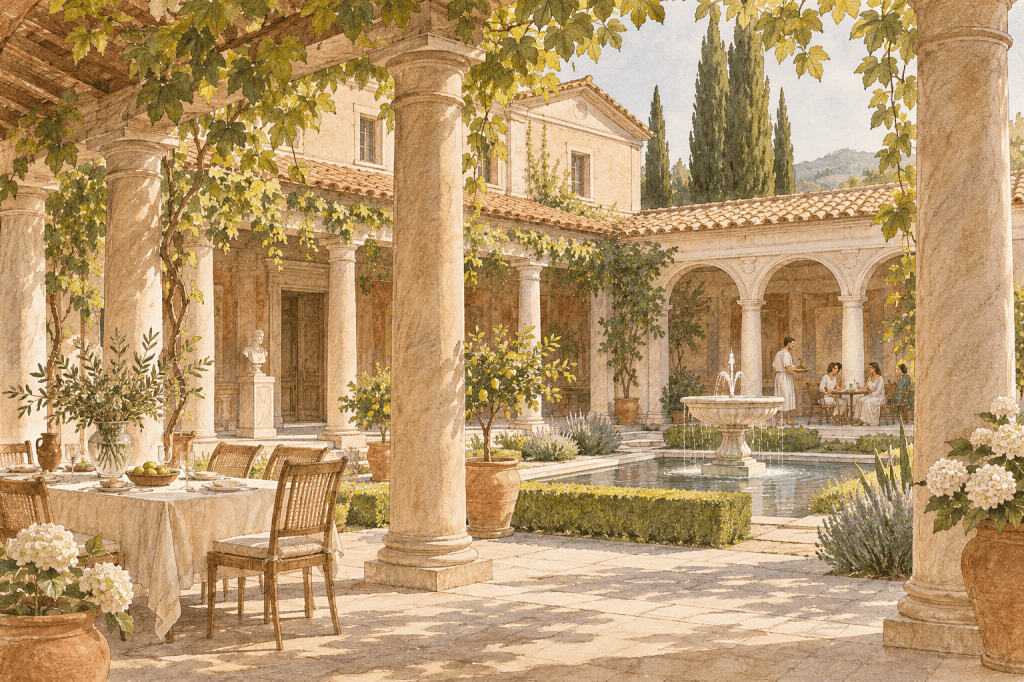
In ancient Rome, the domestic architecture of villas and townhouses reflected the social importance of receiving guests. Entrance halls, colonnaded courtyards, gardens and dining rooms created a sequence of spaces in which hospitality could unfold.
The Roman peristyle garden, surrounded by covered walkways and adjoining rooms, provided a beautiful setting for conversation, dining and relaxation.
Along the historic trade routes of Asia and the Middle East, caravanserais offered travelers shelter, nourishment and protection. These buildings were often organized around generous central courtyards, creating places where people from different cultures could rest, exchange ideas and share experiences.
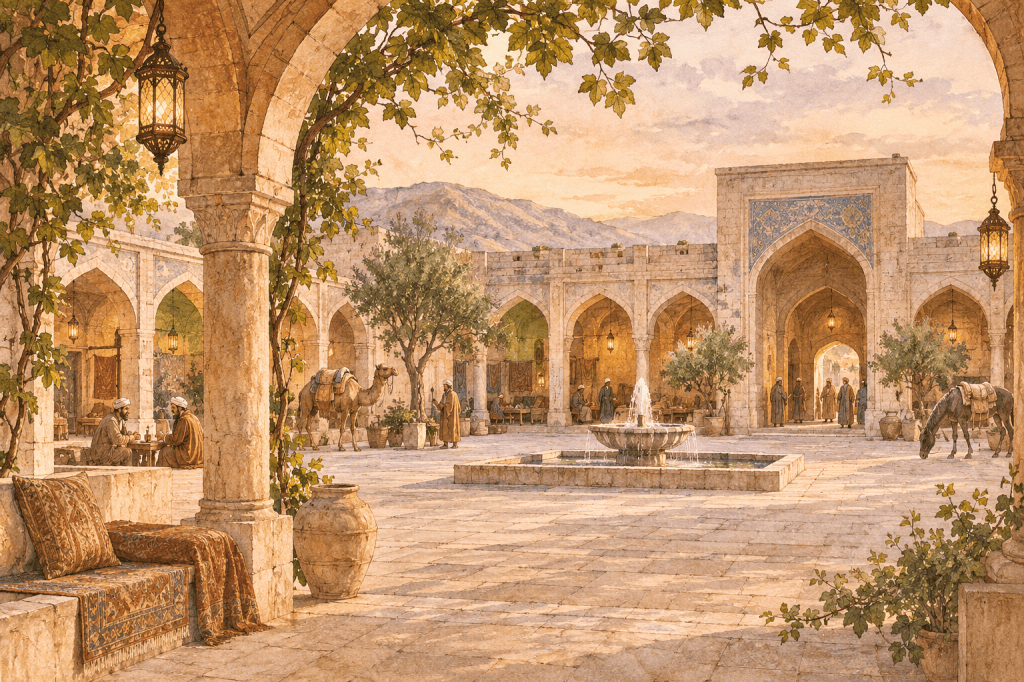
Despite their different origins, these architectural traditions shared a common understanding: the provision of comfort and welcome was an essential part of the built environment.
Hospitality in the Renaissance Villa
During the Renaissance, hospitality became an important consideration in the design of country villas and estates.
Andrea Palladio’s villas in northern Italy brought together architecture, landscape, agriculture and social life. Their beautifully proportioned halls, shaded loggias and carefully arranged rooms provided elegant settings for receiving visitors.
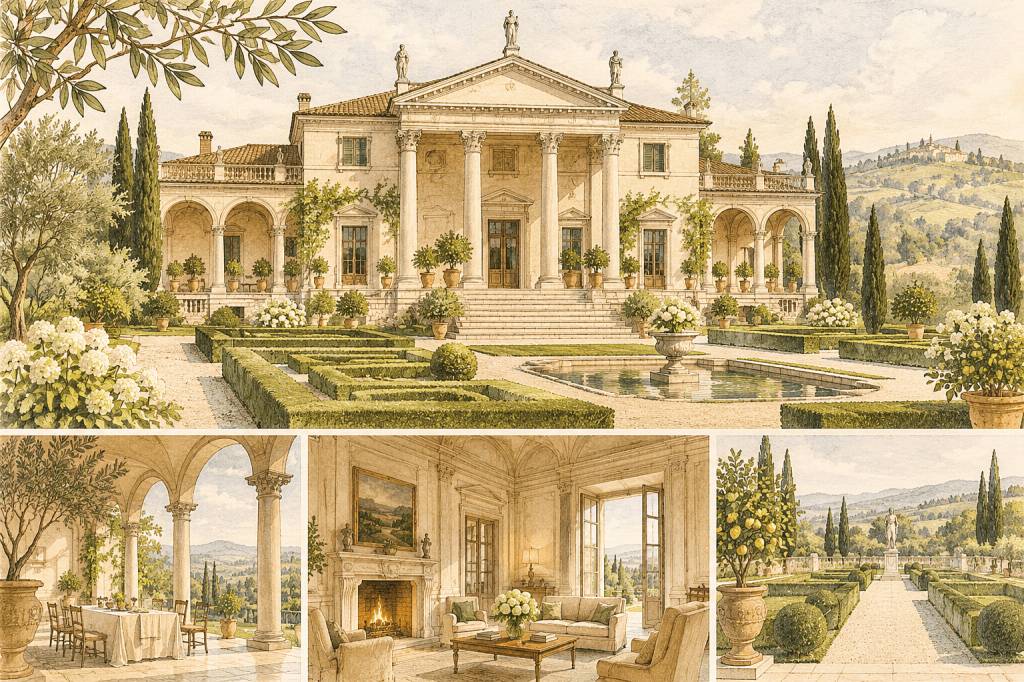
The central hall often formed the social heart of the residence, while adjoining rooms offered more intimate spaces for conversation and retreat.
Loggias and terraces established a graceful connection between the interior and the surrounding countryside.
These spaces allowed hospitality to extend beyond the walls of the house, embracing the landscape as part of the experience.
The enduring appeal of the Renaissance villa lies partly in this balance between formality and comfort, architectural order and the pleasures of everyday life.
Its principles continue to offer inspiration for contemporary homes.
The Country House and the Art of Entertaining
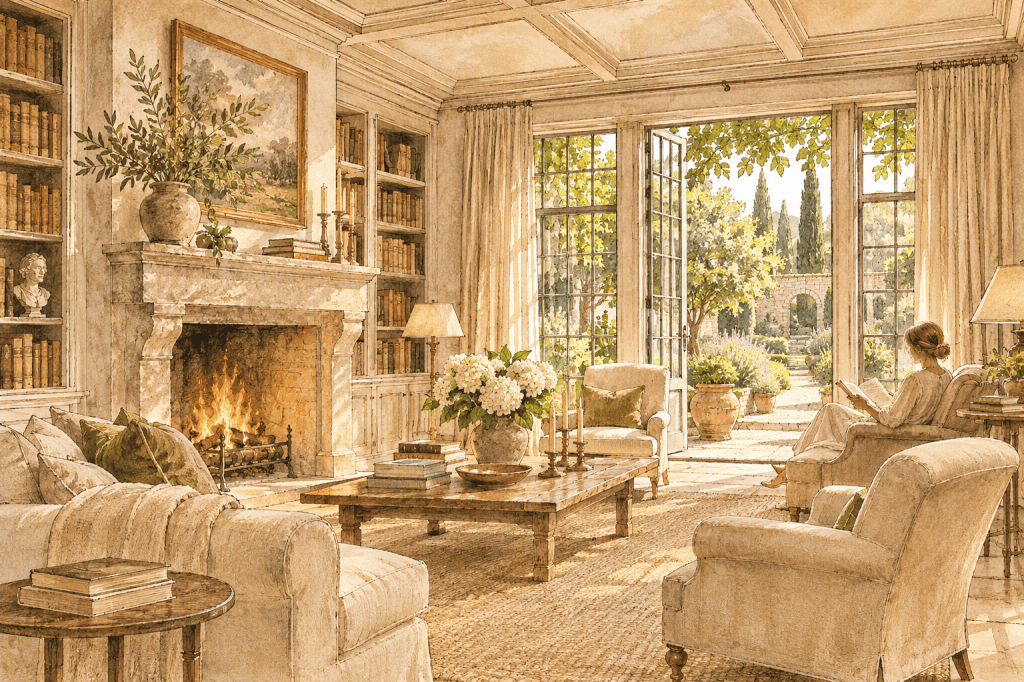
The European country house developed a rich architectural tradition centered around hospitality.
Entrance halls, drawing rooms, libraries, dining rooms, guest suites and gardens were carefully arranged to accommodate different social occasions.
The architecture established a hierarchy of experiences, from the formal arrival of guests to the intimacy of an evening conversation beside a fireplace.
Gardens became an extension of the social spaces of the home. Terraces, orangeries, garden pavilions and woodland walks offered opportunities for gathering and exploration.
While contemporary life has become considerably less formal, many of these architectural ideas remain relevant.
The pleasure of welcoming friends into a beautiful home, sharing a meal, walking through a garden or offering a comfortable place to stay has changed very little.
Today, we can reinterpret these traditions in a more relaxed, personal and inclusive way.
The Japanese Art of Thoughtful Hospitality

In Japan, the tradition of omotenashi offers a particularly beautiful understanding of hospitality.
It emphasizes attentiveness, consideration and the thoughtful anticipation of another person’s needs.
Traditional Japanese architecture expresses these qualities through carefully composed entrances, natural materials, filtered light, intimate gardens and beautifully considered details.
The Japanese tea house is a remarkable example of hospitality expressed through architectural restraint.
Its modest dimensions, simple materials and carefully orchestrated sequence of arrival encourage visitors to leave behind the distractions of everyday life and become more present in the experience.
Every element has a purpose, yet nothing feels excessive.
This approach reminds us that hospitality does not require grandeur.
Sometimes, the most generous architectural gesture is a quiet, beautifully considered space that allows someone to feel completely at ease.
The Art of Arrival
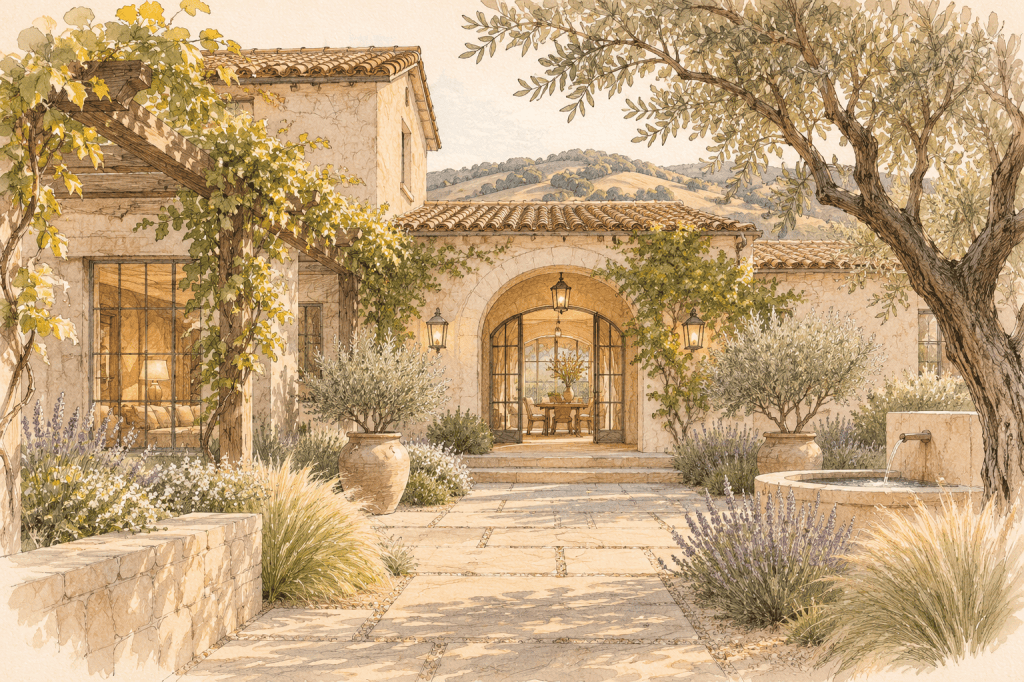
The experience of hospitality begins long before we enter a building.
The approach to a home, hotel or winery establishes our first impression and begins to shape our emotional response.
A thoughtfully designed arrival sequence creates a sense of anticipation while providing clarity, comfort and reassurance.
A gently winding driveway, a welcoming garden path, a sheltered entrance or a glimpse of a beautifully illuminated interior can all contribute to the feeling of being expected.
The entrance itself becomes a moment of transition between the outside world and the experience that awaits within.
Its proportions, materials, lighting and relationship to the landscape are particularly important.
A place to pause, protection from the weather and a clear sense of where to go are simple but meaningful architectural gestures.
The most welcoming entrances do not overwhelm their visitors. They invite them in.
Creating a Sense of Belonging
One of the most important qualities of hospitable architecture is its ability to make people feel that they belong.
This begins with creating spaces that are intuitive to inhabit.
A guest should be able to understand where to enter, where to gather, where to sit and how to move through a building without feeling uncertain or uncomfortable.
Natural light, framed views and thoughtfully arranged architectural elements can gently guide people through a space.
Furniture arrangements can encourage conversation. Generously proportioned circulation spaces can allow people to move comfortably. Accessible entrances and facilities can help ensure that people of different ages and abilities feel equally welcome.
The architecture should accommodate different personalities and ways of socializing.
Some people enjoy being at the center of a gathering, while others prefer a quieter place from which to observe.
A beautifully designed home or hospitality space offers opportunities for both.
True hospitality respects the individuality of each guest.
The Kitchen as the Heart of Hospitality
Few spaces express the spirit of hospitality more naturally than the kitchen.
Throughout history, the preparation and sharing of food have brought people together.
In contemporary residential architecture, the kitchen has evolved from a largely private working space into one of the principal social spaces of the home.
A beautifully designed kitchen allows cooking, conversation and gathering to coexist comfortably.
An island may become a place for informal meals, a glass of wine with friends or a conversation while dinner is being prepared.
A connection to the dining room, garden or outdoor terrace allows hospitality to extend naturally throughout the home.
For larger residences, a thoughtfully designed pantry or secondary preparation kitchen can support entertaining while allowing the principal kitchen to remain relaxed and welcoming.
These practical considerations are an important part of architectural design.
When the functional aspects of hospitality are carefully resolved, the experience of welcoming others becomes more effortless and enjoyable.
The Architecture of Gathering
The most successful gathering spaces balance generosity with intimacy.
A room may need to accommodate a large celebration while still feeling comfortable when occupied by only two or three people.
This is where proportion, ceiling height, furniture arrangements, acoustics and lighting become particularly important.
A generous living room can be organized into smaller seating areas, allowing several conversations to take place simultaneously.
A fireplace can provide a natural focal point around which people gather.
A window seat overlooking the landscape can offer a quieter place within a larger social space.
A dining room can feel both celebratory and intimate through the careful relationship between the table, lighting, ceiling height and surrounding architecture.
Good gathering spaces encourage connection without demanding it.
They provide a beautiful framework within which the natural rhythms of social life can unfold.
The Dining Room as a Place of Connection
There is something timeless about gathering around a table.
Across cultures and generations, sharing a meal has been one of the most meaningful expressions of friendship, family and hospitality.
The architecture of the dining room can enrich this experience.
Its proportions should encourage conversation. Its lighting should bring warmth to faces, food and materials. Its acoustics should allow people to hear one another comfortably.
A carefully framed view of a garden or landscape can introduce a sense of calm and connection with nature.
Natural materials, beautifully crafted furniture and softly illuminated surfaces can create an atmosphere that encourages people to linger.
In California, the dining experience can extend beyond the interior of the home.
A long table beneath a vine-covered pergola, a sheltered courtyard or a terrace overlooking rolling hills can become an extraordinary setting for gathering.
Often, the most memorable meals are not the most elaborate, but those enjoyed in places where everyone feels comfortable and connected.
Hospitality and the Landscape
The landscape offers some of the most beautiful opportunities for hospitality.
A garden can become a collection of outdoor rooms, each offering a different experience.
A shaded terrace may provide a place for lunch. A courtyard can offer shelter and intimacy. A fire terrace can encourage conversation as the evening cools. A quiet garden bench may provide a moment of solitude.
Paths connecting these spaces allow guests to explore the landscape at their own pace.
The relationship between architecture and garden becomes particularly important in climates that encourage outdoor living.
In California, covered terraces, verandas, courtyards and pergolas allow hospitality to extend naturally into the landscape.
Thoughtful consideration of solar orientation, shade, wind protection, planting and outdoor lighting can make these spaces comfortable throughout much of the year.
The fragrance of herbs, the sound of leaves moving in the breeze and the changing light across a garden contribute to the richness of the experience.
Nature becomes an active participant in the architecture of hospitality.
The Guest House: A Home Away from Home
Providing a beautiful place for guests to stay is one of the most generous expressions of residential hospitality.
A guest suite or cottage should offer more than a place to sleep.
It should provide a sense of independence, privacy and comfort while maintaining a welcoming connection to the principal residence.
A small sitting area, a beautifully illuminated bathroom, a private terrace or a carefully framed garden view can transform a guest accommodation into a memorable retreat.
The most successful guest spaces anticipate the small details of everyday life.
A convenient place for luggage, comfortable reading light, accessible electrical outlets, appropriate storage, good ventilation and thoughtful acoustic separation all contribute to the quality of the experience.
These details may seem modest, but together they communicate care.
A beautifully designed guest house allows visitors to feel both welcomed and entirely at home.
The Architecture of Boutique Hotels
Boutique hotels offer a particularly interesting exploration of hospitality through architecture.
Unlike larger standardized hotels, they often have the opportunity to develop a distinctive identity rooted in their location, history, materials and cultural surroundings.
The most memorable boutique hotels feel connected to the places in which they are built.
A restored historic building may reveal the craftsmanship of an earlier generation. A coastal retreat may celebrate the changing light and atmosphere of the ocean. A countryside hotel may draw inspiration from agricultural buildings, local materials and the surrounding landscape.
The guest experience unfolds through a carefully considered sequence of spaces.
From the arrival courtyard and reception area to the guest room, restaurant, garden and places of retreat, each space contributes to a larger architectural narrative.
A welcoming lobby may feel more like a beautifully furnished living room than a formal reception hall.
A restaurant may establish a meaningful connection with local food traditions and the surrounding landscape.
A guest room may offer a sense of intimacy and refuge through its proportions, materials and relationship with natural light.
The most successful hospitality architecture creates an experience that feels personal rather than standardized.
The Winery as a Place of Hospitality
In California’s Wine Country, wineries offer a wonderful opportunity to bring together architecture, landscape, agriculture and hospitality.
The experience of visiting a winery is about much more than tasting wine.
It is an opportunity to understand the landscape, discover the character of a place and appreciate the craftsmanship behind what is produced there.
Architecture can help tell this story.
A carefully composed arrival sequence may reveal the vineyards gradually. A tasting room can frame views of the surrounding hills. A shaded terrace can provide a comfortable setting for conversation and appreciation of the landscape.
Natural stone, timber and other regionally appropriate materials can establish a connection between the building and its agricultural surroundings.
The working aspects of the winery can also become part of the visitor experience, revealing the relationship between cultivation, production and enjoyment.
The architecture should complement rather than compete with the beauty of the landscape.
A memorable winery is not simply a destination. It is an experience of place.
The Role of Light in Creating Atmosphere
Light has an extraordinary ability to influence how welcome we feel within a space.
The warmth of a softly illuminated entrance, the glow of a fireplace, the gentle light above a dining table and the filtered sunlight of a covered terrace all contribute to an atmosphere of comfort.
Natural light brings vitality to social spaces during the day, while carefully considered artificial lighting allows their character to evolve as evening approaches.
A layered lighting scheme can create different atmospheres within the same room.
Soft ambient illumination provides a sense of warmth. Task lighting supports activities such as cooking and reading. Accent lighting reveals the texture of materials, artwork and architectural details.
In gathering spaces, lighting should be considered in relation to the people who occupy them.
Beautifully illuminated faces, comfortable visual contrast and the absence of distracting glare are as important as the appearance of the architecture itself.
The transition from daylight to evening can become one of the most beautiful experiences of a hospitable home.
The Importance of Acoustics
Sound is one of the less visible but most important aspects of hospitality design.
A room may be visually beautiful, yet if conversation is difficult or background noise becomes overwhelming, the experience can quickly become uncomfortable.
This is particularly important in restaurants, dining rooms, hotel lounges and large residential gathering spaces.
Natural materials, upholstered furniture, curtains, rugs, acoustic plaster and thoughtfully integrated ceiling treatments can help create a more comfortable acoustic environment.
The arrangement of spaces also plays an important role.
Separating quieter areas from kitchens, entertainment rooms and busy circulation routes allows different activities to coexist without unnecessary disturbance.
A library should feel peaceful even when a gathering is taking place elsewhere in the home.
A guest room should offer a sense of refuge.
Good acoustics are an expression of architectural consideration. They allow us to enjoy the presence of others without becoming overwhelmed by the environment around us.
Materials That Communicate Warmth
The materials we encounter in a building influence our emotional response to it.
The warmth of timber, the texture of natural stone, the softness of linen, the subtle irregularities of hand-applied plaster and the patina of bronze can all contribute to a sense of comfort and authenticity.
Materials with natural variation often possess a familiarity that makes spaces feel more inviting.
Their tactile qualities encourage a more intimate relationship with the architecture.
In hospitality spaces, materials should also be selected for their durability, ease of maintenance and ability to age gracefully.
A beautifully crafted timber table can become more meaningful through years of shared meals.
A stone threshold may develop character through generations of people passing through it.
These traces of life are part of the beauty of architecture.
A welcoming building does not need to remain pristine. It should be capable of becoming richer through use.
The Unseen Architecture of Hospitality
Behind every seemingly effortless experience of hospitality lies a carefully considered architectural framework.
Service circulation, storage, food preparation, housekeeping, mechanical systems, waste management and accessibility all contribute to the successful operation of a building.
In a private residence, a well-organized pantry, mudroom, laundry room and secondary entrance can make entertaining considerably easier.
In a hotel or winery, thoughtfully planned service areas allow staff to work efficiently and comfortably while maintaining a relaxed atmosphere for guests.
The relationship between public and private spaces, guest circulation and operational requirements must be carefully resolved.
These aspects of architecture are rarely celebrated in photographs, yet they are fundamental to the quality of the experience.
The wellbeing of the people providing hospitality deserves as much consideration as the comfort of those receiving it.
Beautiful hospitality architecture brings together the visible and invisible aspects of design with equal care.
Hospitality, Sustainability and a Sense of Place
Contemporary hospitality architecture has an important opportunity to strengthen the relationship between people and the environment.
Buildings that respond thoughtfully to their climate, landscape and local resources can offer experiences that feel more authentic and meaningful.
Natural ventilation, passive solar design, appropriate shading and energy-efficient systems can contribute to comfortable interiors while reducing environmental impacts.
The thoughtful reuse of historic buildings can preserve cultural identity and retain existing materials.
Native gardens can support biodiversity while introducing visitors to the character of the local landscape.
Productive gardens, orchards and vineyards can establish a direct relationship between the food served and the place in which it is enjoyed.
Local craftsmanship and responsibly sourced materials can reinforce a sense of regional identity.
Rather than creating an experience that could exist anywhere in the world, sustainable hospitality architecture celebrates the qualities that make a particular place unique.
A Quieter Expression of Luxury
In hospitality, luxury is often associated with elaborate interiors, expensive materials and exceptional facilities.
Yet some of the most memorable experiences of luxury are remarkably simple.
Being welcomed into a warm room on a cold evening.
Finding a comfortable place to read in the morning sunlight.
Enjoying a beautifully prepared meal beneath the shade of a tree.
Sleeping peacefully in a room that opens onto a quiet garden.
Having the freedom to gather with others or retreat into solitude.
These experiences are rooted in thoughtfulness rather than extravagance.
They arise from architecture that understands the needs of the people who inhabit it.
True luxury is the feeling that someone has considered the details of our experience before we have even become aware of them.
Hospitality, at its most beautiful, is an expression of care.
Designing for Hospitality at Orla Studios
At Orla Studios, we believe that the principles of hospitality are fundamental to the design of beautiful architecture.
Whether designing a private residence, a country estate, a winery or a hospitality environment, we consider how people will arrive, gather, move through spaces, experience the landscape and find moments of comfort and retreat.
We explore the relationship between architectural proportion, natural light, materiality, circulation and the human experience.
We consider both the celebratory moments of life and the quieter rituals of everyday living.
Our approach brings together the artistic and practical aspects of architecture, recognizing that beautiful spaces must also function thoughtfully and effortlessly.
We are interested in creating places that feel distinctive without being intimidating, refined without being formal, and generous without being excessive.
Above all, we believe that architecture should make people feel welcome.
The Enduring Beauty of Hospitality
The architecture of hospitality reminds us that buildings are ultimately about people.
They provide the setting for friendships, conversations, celebrations, discoveries and moments of quiet connection.
A dining room becomes meaningful through the meals shared within it. A terrace becomes memorable through the evenings spent together. A guest house becomes special through the feeling of being welcomed into another person’s world.
Architecture cannot create these moments on its own, but it can provide the conditions in which they flourish.
The most beautiful places are often those that make us feel comfortable enough to be ourselves, present enough to appreciate our surroundings and connected enough to enjoy the company of others.
Perhaps this is the greatest achievement of hospitable architecture.
Not simply to create a place that people admire, but to create a place where people are happy to be.
Orla Studios Architects
Exploring the relationship between architecture, nature, craftsmanship and the art of living well.


