Orla Studios Guide to Designing with Mass Timber

At Orla Studios, we see mass timber as more than a building material—it is a framework for designing sustainable, human-centered architecture. Our architectural project, the Mass Timber Winery, now under construction in Napa Valley, embodies the principles and best practices of designing with this extraordinary material. Below, we share an in-depth guide to approaching mass timber design, from concept to construction.


Understanding Mass Timber

Mass timber is an umbrella term for engineered wood products created by layering and bonding smaller wood elements into large structural components. The main types include:

  • Cross-Laminated Timber (CLT): Layers of lumber stacked at right angles and glued together to form rigid panels ideal for walls, floors, and roofs.
  • Glue-Laminated Timber (Glulam): Boards bonded lengthwise to form strong beams and columns.
  • Nail- or Dowel-Laminated Timber (NLT/DLT): Lumber fastened together without adhesives, creating panels suited for decking and floors.

Each type has specific advantages, and successful projects often combine several systems.


Principles of Designing with Mass Timber

  1. Early Integration of Structure and Architecture
    Mass timber is most successful when structural and architectural design proceed hand in hand. The size and spacing of beams, columns, and panels dictate interior proportions and aesthetics. Unlike steel or concrete, mass timber structure is often left exposed, so early design decisions directly shape the building’s character.
  2. Modularity and Prefabrication
    Mass timber panels and beams are fabricated off-site with precision CNC cutting. This allows for rapid assembly, but it requires careful planning during design. Dimensions should align with manufacturing standards, transportation limits, and crane capacities. Modular thinking reduces waste and speeds up construction.
  3. Fire Safety Design
    Despite being wood, mass timber achieves robust fire performance. Panels char at a predictable rate, forming a protective layer that insulates the structural core. Designers must account for sacrificial charring when sizing beams and panels, and coordinate closely with fire consultants and code officials.
  4. Seismic and Structural Performance
    Timber’s lightness and flexibility reduce seismic loads compared to concrete. Connections—steel plates, dowels, and screws—become critical elements of design. Careful detailing ensures both strength and ductility, particularly in taller structures or those in earthquake-prone regions.
  5. Acoustics and Vibration Control
    Mass timber’s lightness can present challenges with sound transmission and floor vibration. Solutions include layering materials (e.g., topping slabs or acoustic mats), designing for thicker panels, and integrating sound-absorbing finishes in interiors.
  6. Moisture and Durability
    Protecting timber from prolonged moisture exposure is essential. Overhangs, rainscreens, and controlled detailing at joints prevent water infiltration. During construction, weather protection measures (temporary roofs, membranes) safeguard panels before the building envelope is complete.
  7. Mechanical, Electrical, and Plumbing (MEP) Coordination
    Because panels are prefabricated, openings for ducts, conduits, and fixtures must be carefully planned and cut before delivery. Close coordination with engineers ensures services are integrated cleanly, avoiding costly on-site modifications.

Design Opportunities with Mass Timber

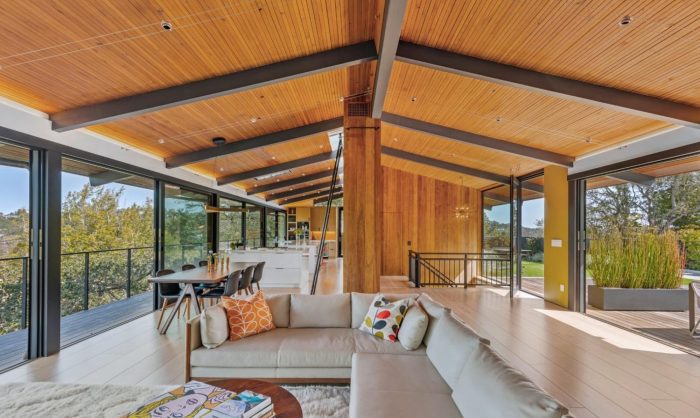
  • Exposed Beauty: Unlike steel or concrete, mass timber structure is celebrated visually. Beams, columns, and ceilings can remain exposed, reducing the need for finishes and creating warm, natural interiors.
  • Biophilic Design: Natural wood enhances human well-being by connecting occupants to nature, lowering stress, and improving productivity.
  • Hybrid Systems: Many projects combine mass timber with steel or concrete. For example, concrete cores may house elevators and stairs while timber spans large open areas. This hybrid approach maximizes structural efficiency.

Case Study: Our Mass Timber Winery

Our  Winery in Napa Valley demonstrates how these principles come together:

  • Open Production Spaces: Long-span glulam beams create column-free zones for winemaking, while CLT panels form insulated, breathable roof structures.
  • Hospitality and Experience: In the tasting room, exposed CLT ceilings and timber columns bring warmth and intimacy, reinforcing the winery’s connection to the vineyard landscape.
  • Sustainability in Practice: The winery leverages the carbon-sequestering qualities of timber, combined with passive cooling strategies and rainwater management systems, to minimize environmental impact.
  • Craft and Precision: Every joint and detail has been coordinated digitally before fabrication, ensuring a seamless on-site assembly and minimal waste.

Looking Ahead

Designing with mass timber requires a mindset shift—from linear construction sequencing to integrated, collaborative design. Architects, engineers, manufacturers, and builders must work as one team, with sustainability and precision at the core.

At Orla Studios, we are committed to advancing mass timber design across residential, commercial, and cultural projects. Our Winery project illustrates what is possible: architecture that is sustainable, resilient, and deeply connected to place. For us, mass timber is not just a material—it is a philosophy of building responsibly for the future.

Mill Valley Architecture

Mill Valley, nestled among the rolling hills of Marin County in California, boasts a rich architectural heritage shaped by its natural surroundings, cultural influences, and historical evolution. From quaint cottages to modern masterpieces, Mill Valley Architects work reflects a harmonious blend of tradition and innovation, seamlessly integrated into the picturesque landscape.

All images are from and linked to the wonderful Mill Valley Historical Society, extract from their website below:

The first Anglo-Saxon settler in Marin was an Irishman, John Thomas Reed. Born in Dublin in 1805, he went to sea with a seafaring uncle at the age of 15. He left the ship at Acapulco, where he stayed for six years and learned to speak Spanish fluently. In 1826, he sailed to Los Angeles on a Mexican ship and then continued north to Yerba Buena (later to be named San Francisco). He was anxious to settle down, requesting a land grant from the Mexican government. He had discovered an area around “Whaler’s Cove” near Sausalito that he greatly coveted, while on a sailboat trip on the bay. He built the first framed house in Marin County. He founded the first ferry service to ferry passengers across the bay and for carrying fresh spring water from the sources in Sausalito to the Presidio at Yerba Buena.

Historic Charm: At the heart of Mill Valley’s architectural identity are its historic buildings by then renowned Mill Valley architects, many of which date back to the late 19th and early 20th centuries. Victorian and Craftsman-style homes line the tree-lined streets, exuding timeless charm with their intricate details, pitched roofs, and inviting porches. These historic residences serve as a testament to the town’s heritage and contribute to its distinctive character.

Redwood Elegance: Mill Valley’s proximity to the majestic redwood forests has greatly influenced its architectural aesthetic. Redwood, prized for its durability and natural beauty, features prominently in many homes and structures throughout the area. The best Mill Valley Architects honored the heritage of redwood trees. From rustic cabins to modern retreats, the tapestry of the buildings interweaved with the redwoods showcases a reverence for the local environment while imparting a sense of warmth and authenticity to the architecture.

Mid-Century Modernism: The mid-20th century brought a wave of modernist architecture to Mill Valley, reflecting the era’s embrace of clean lines, open spaces, and indoor-outdoor living. Renowned architects such as John Liebermann, an acolyte of Frank Lloyd Wright and Joseph Esherick left their mark on the landscape with innovative designs that harmonize with the natural terrain. Flat roofs, expansive windows, and minimalist aesthetics characterize many of these mid-century homes, offering a contemporary counterpoint to the town’s traditional architecture.

Environmental Sensibility: In tune with its progressive ethos, Mill Valley embraces sustainable design principles that prioritize environmental stewardship and energy efficiency. Many newer homes feature green building techniques, such as passive solar design, high-performance insulation, and rainwater harvesting systems. Green roofs and native landscaping further enhance the ecological sustainability of the built environment, reflecting the town’s commitment to preserving its natural beauty for future generations.

Architectural Diversity: One of the most striking aspects of Mill Valley’s architecture is its diversity, spanning a spectrum of styles and influences. The best Mill Valley Architects create buildings that range in style from Spanish Colonial Revival to Mediterranean villas, Tudor cottages to contemporary estates, the town’s built environment reflects a tapestry of cultural heritage and individual expression. This architectural diversity contributes to the town’s vibrant character, inviting residents and visitors alike to explore its rich architectural tapestry.

Integration with Nature: Central to the ethos of Mill Valley’s architecture is a deep reverence for the surrounding natural landscape. Homes are often nestled seamlessly into the hillsides, taking full advantage of panoramic views and sun-drenched slopes. Outdoor living spaces, from terraced gardens to expansive decks, blur the boundaries between interior and exterior, inviting residents to commune with nature and embrace the rhythms of the seasons.

The architecture of Mill Valley embodies a captivating synthesis of tradition, innovation, and environmental consciousness. Mill Valley Architects created historic landmarks to contemporary marvels, each structure contributes to the town’s unique identity, rooted in its natural beauty and cultural heritage. As Mill Valley continues to evolve, its architecture remains a testament to the enduring spirit of creativity and stewardship that defines this enchanting community.

Designed by renowned architectural firm WBE, the Mill Valley Public Library boasts a sleek and contemporary aesthetic that complements its natural surroundings. Clean lines, geometric forms, and thoughtfully curated materials create an atmosphere of modern sophistication, inviting visitors to explore and engage with the space. The library’s interior spaces are bathed in natural light, creating a warm and inviting ambiance that encourages relaxation and contemplation.


Mill Valley Society Origins:
The Mill Valley Historical Society’s origin was inspired by the dedication of Lucretia Hanson Little, former City of Mill Valley Deputy Clerk and official Mill Valley historian. Born in 1908, Mrs. Little was raised in Mill Valley, graduated from Tamalpais High School, and in 1926 joined the first class at Marin Junior College, now College of Marin. After leaving Mill Valley in 1927 to attend Northwestern University in Illinois, she returned in 1950 and held the position of Deputy City Clerk from 1951 until her retirement in 1973.
https://www.mvhistory.org/annual-walk-into-history/
https://www.mvhistory.org/join-support/


Orla Studios: Modern Homes in the Landscape

default

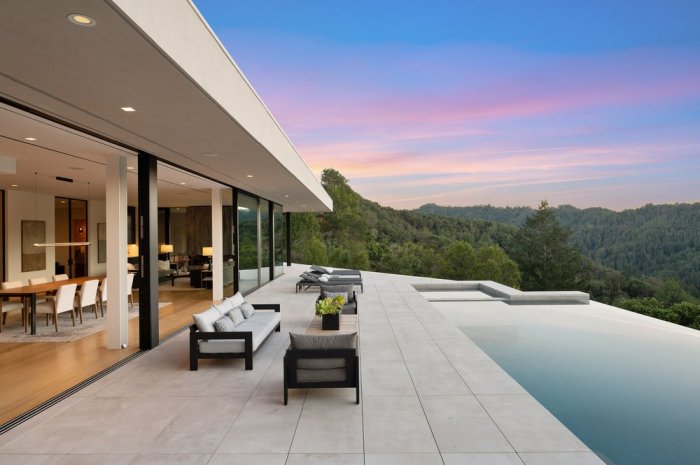
Modern homes and Resorts are particularly suited to a landscape setting. Large areas of glazing, extended overhangs, long decks, indoor outdoor living opportunities. The massing hugging the contours of the site also lend to a beautiful resolution of the design challenge we are faced with when a client contacts us to design and build a project.

Designing a building in the landscape requires a careful balance between integrating the building into the natural surroundings while taking advantage of the landscape’s features. Here are some tips to consider when designing a modern home in the landscape:

Site Analysis: Begin with a thorough analysis of the landscape, considering factors like topography, orientation, views, prevailing winds, and existing vegetation. Identify any unique features that you can highlight or incorporate into the design.

Sustainable Design: Aim for an eco-friendly and sustainable design that minimizes the environmental impact. Utilize passive design principles, such as optimizing natural light, site orientation and placement of spaces, ventilation, and thermal mass to reduce energy consumption. Strive for netzero by incorporating solar, natural cooling and heating, increase insulation.

Cedar soffited overhangs provide shade :

In the northern hemisphere, large overhangs facing south shade living areas from summer heat when the sun is high in the sky overhead. Operable skylights provide cooling opportunities.

Indoor-Outdoor Connection: Modern homes in the landscape should have a seamless transition between indoor and outdoor spaces. Large windows, sliding glass doors, and outdoor living areas can help to connect the interior with the surrounding nature.

Natural Materials: Incorporate natural and locally sourced materials to complement the landscape and create a sense of harmony. Materials like stone, wood, and glass work well in modern designs.

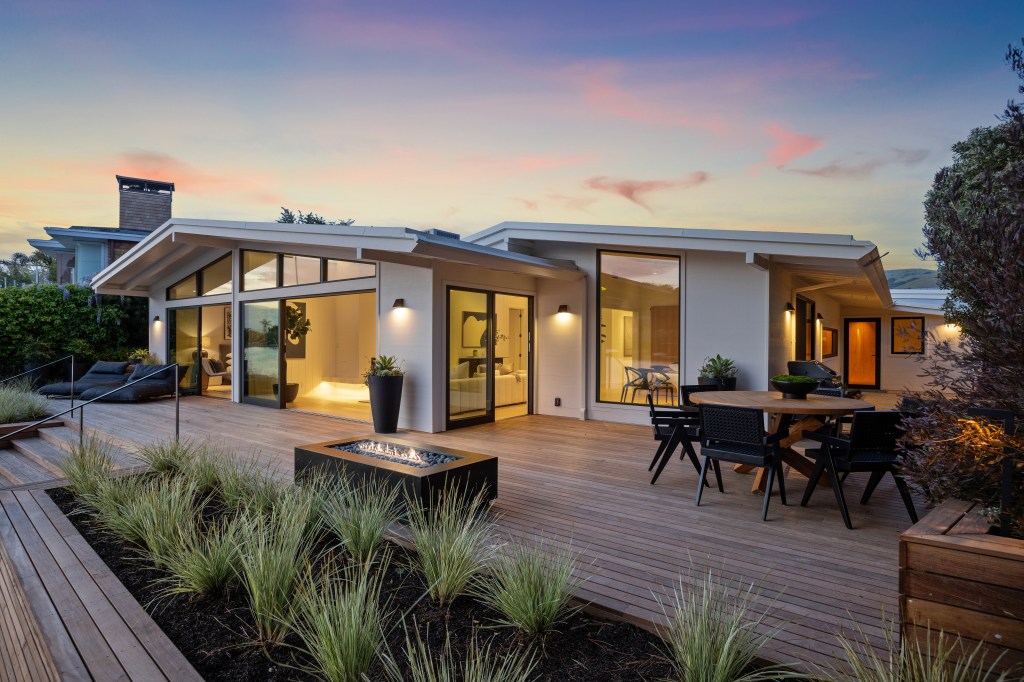
When lit at night, the accents of wood and black framed windows create a backdrop for family and friends to gather at this home. Roof deck above for outdoor living and views.

Minimalist Aesthetics: Embrace the clean lines and minimalist aesthetics often associated with modern architecture. Avoid clutter and unnecessary elements that could detract from the landscape’s beauty.

Roof Design: Consider a green roof or a roof terrace to blend the home into the natural surroundings further. Green roofs can help with insulation and stormwater management while providing additional green space.

Outdoor Landscaping: Use landscaping elements strategically to enhance the overall design. Native plants and low-maintenance landscaping will help the home blend in with the surroundings while attracting local wildlife.

Open Floor Plans: Opt for open floor plans to create a sense of spaciousness and facilitate the flow between indoor and outdoor areas. This openness can also maximize views of the surrounding landscape.

We incorporate large windows and glass walls throughout the homes to maximize natural light and provide unobstructed views of the landscape. These transparent elements will blur the boundaries between the interior and exterior spaces.

Sustainability Features: Incorporate sustainable features, such as rainwater harvesting, solar panels, and energy-efficient appliances, to reduce the home’s ecological footprint and make it more self-sufficient

Respect Nature: While designing, ensure that you respect the existing environment and avoid disrupting natural features. Work around mature trees and natural water bodies rather than removing or altering them.

Outdoor Entertainment Areas: If space permits, consider designing outdoor entertainment areas, like a pool, patio, or outdoor kitchen, which can be enjoyed while taking in the beautiful landscape.

Lighting Design: Plan for exterior lighting that highlights the architectural elements of the home while minimizing light pollution and respecting the natural darkness of the surroundings.