

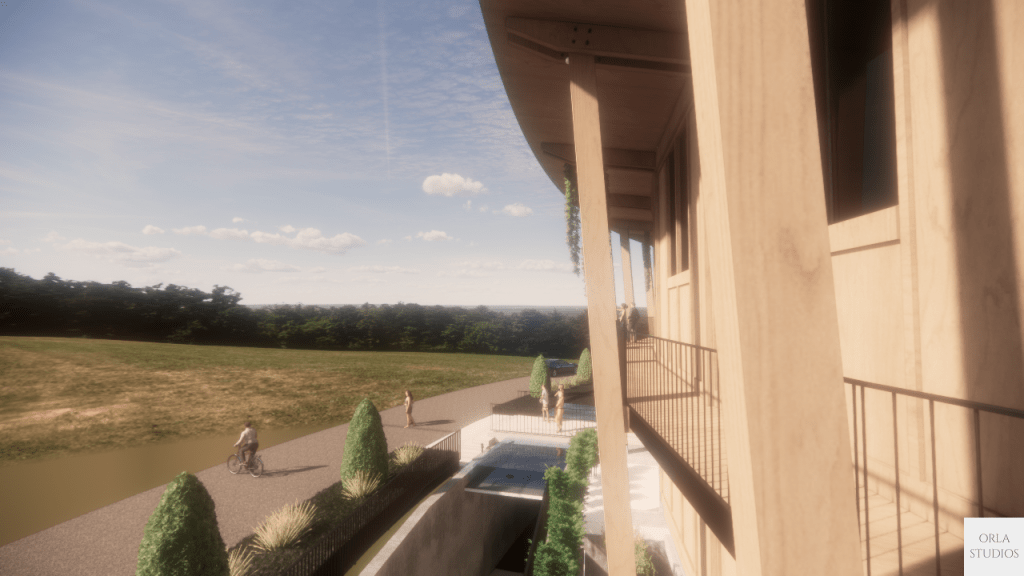

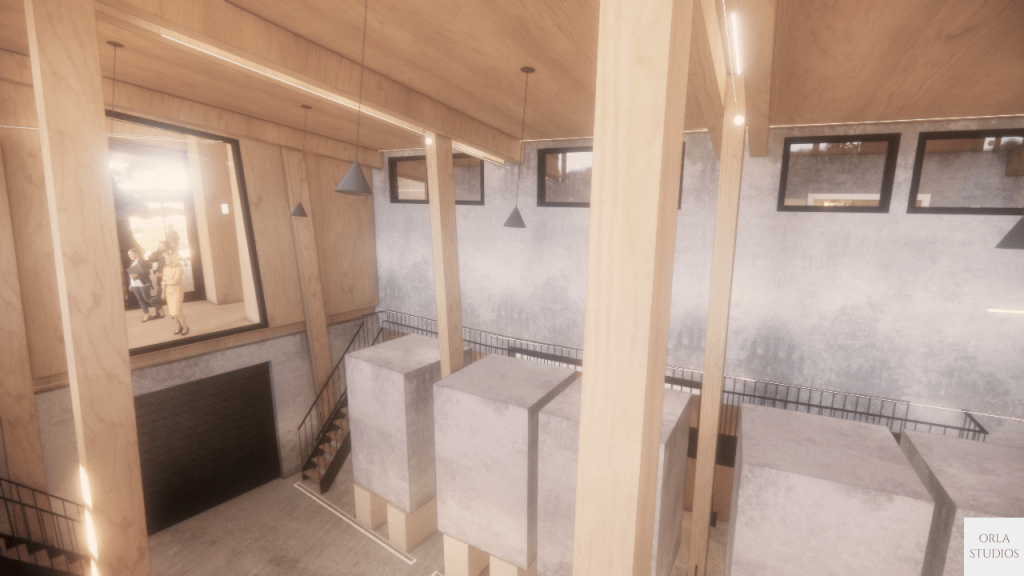
Winery projects in architecture involve the design and construction of wineries, vineyards, and related facilities. These projects typically aim to create functional, aesthetically pleasing, and environmentally sustainable spaces for wine production, storage, tasting, and hospitality. The architecture of wineries can vary widely, incorporating elements such as traditional, rustic, contemporary, or innovative designs, depending on the location, client preferences, and the surrounding landscape.
Key considerations in winery architecture include:
- Site selection: The location of the winery is crucial, taking into account factors like climate, soil, and topography, as these aspects influence the vineyard’s productivity and the building’s design.
- Functional layout: A well-designed winery ensures an efficient flow of operations, from grape processing and fermentation to aging and bottling. It should facilitate a seamless movement of materials and personnel throughout the production process.
- Sustainability: Many wineries incorporate eco-friendly practices, such as energy-efficient systems, natural ventilation, rainwater harvesting, and renewable energy sources, to minimize their environmental impact.
- Aesthetics: Wineries often want to create a visually appealing ambiance that complements the natural surroundings and reinforces the brand’s identity.
- Tasting and hospitality spaces: Wineries often include tasting rooms, event spaces, restaurants, and guest accommodations to enhance the overall visitor experience and promote wine tourism.
- Barrel storage and aging: Proper barrel storage and aging facilities are critical for maintaining the quality of the wine over time.
- Safety and compliance: Winery architecture should adhere to local building codes and safety regulations to ensure a safe working environment for staff and visitors.
Specific winery projects may range from small boutique wineries to large-scale commercial operations, and they can be found in various wine-producing regions worldwide, such as Napa Valley in California, Bordeaux in France, Mendoza in Argentina, and the Barossa Valley in Australia.
Hospitality projects encompass the design and construction of various establishments within the hospitality industry, including hotels, resorts, restaurants, cafes, bars, spas, and other leisure and entertainment facilities. The primary goal of hospitality architecture is to create inviting, comfortable, and memorable spaces that cater to the needs and desires of guests while reflecting the brand identity and vision of the establishment.
Key considerations in hospitality architecture include:
- Guest Experience: We focus on creating a positive and seamless guest experience, from the moment they enter the establishment to their stay or visit.
- Functional Layout: A well-designed hospitality space optimizes the flow of guests and staff, ensuring efficiency in operations and maximizing the use of available space.
- Aesthetics and Ambiance: The ambiance and interior design play a crucial role in setting the mood and atmosphere of the hospitality space, which can vary from luxurious and opulent to casual and cozy, depending on the target audience.
- Sustainability: Increasingly, hospitality projects are incorporating sustainable and eco-friendly design principles to reduce environmental impact and appeal to environmentally conscious guests.
- Technology Integration: Integrating modern technology for guest convenience, security, and entertainment is a standard in each project.
- Safety and Accessibility: Adherence to safety regulations and ensuring accessibility for all guests, including those with disabilities, is of utmost importance in hospitality projects.
- Branding and Identity: Our Hospitality architecture projects align with the brand identity and values of the establishment, creating a cohesive experience for guests.
Hospitality architecture projects can vary in size and scope. Each project is unique, as it must address the specific needs and requirements of the establishment and its target clientele.
 Orla Studios Architects