
Winery architecture goes beyond the production space and vineyard landscapes—it extends into the realm of the tasting room, where wine enthusiasts embark on a sensory journey. Tasting rooms play a pivotal role in showcasing the craftsmanship of winemakers, providing a space where visitors can intimately connect with the wines and the winery’s unique story. In this article, we explore the art of winery architecture and the transformative power of tasting rooms in creating immersive and memorable experiences for wine lovers.

Design that Engages the Senses
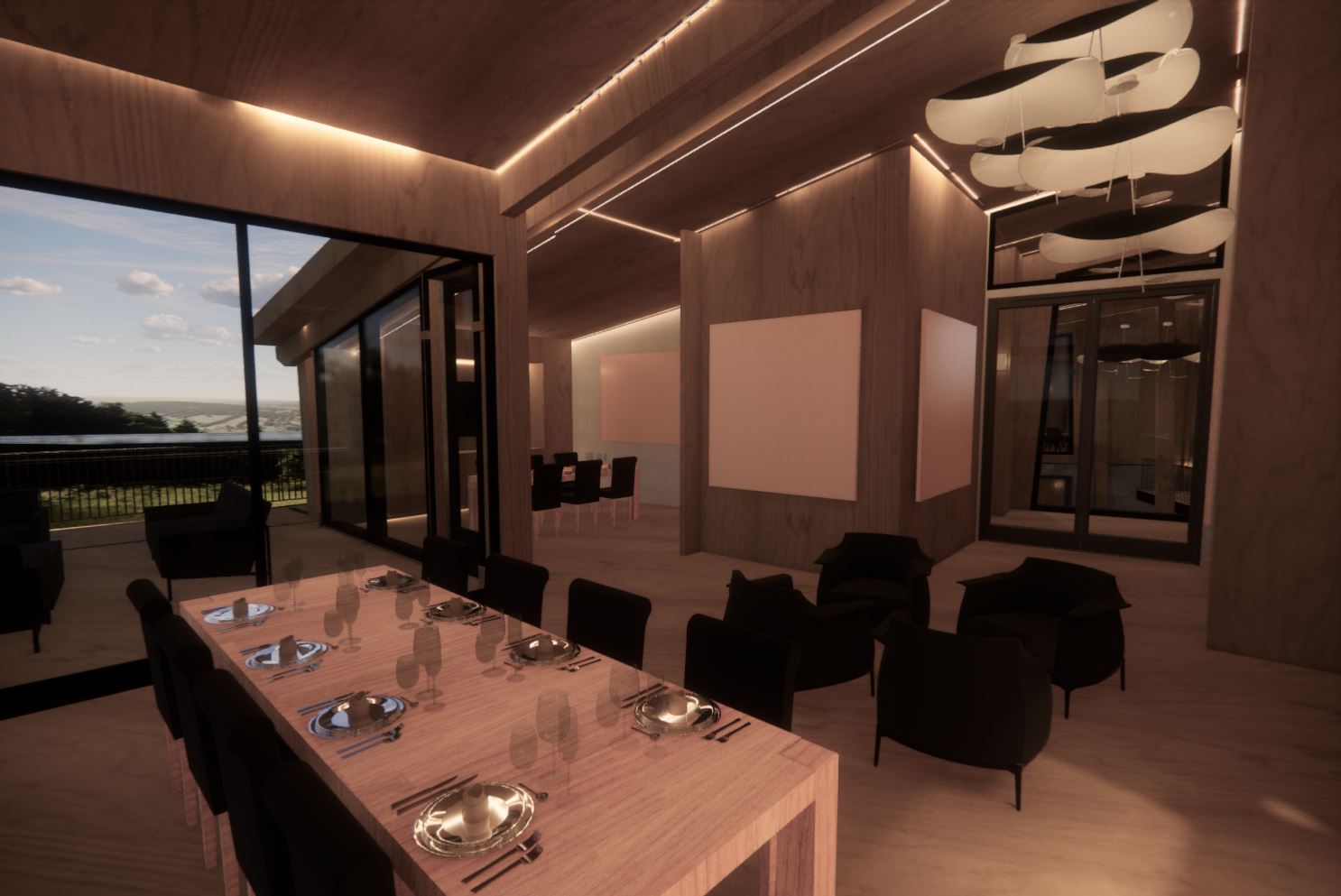
Tasting rooms are designed to stimulate all the senses, providing a multisensory experience that complements the act of wine tasting. Thoughtfully chosen materials, such as warm woods, stone accents, and ambient lighting, create a welcoming ambiance and set the tone for the tasting experience. The layout is carefully considered to facilitate flow and allow visitors to explore different wines at their own pace. Acoustic considerations, such as sound-absorbing materials and well-designed spatial arrangements, help create a calm and enjoyable atmosphere. By engaging all the senses, winery architecture elevates the tasting room into a captivating space that enhances the appreciation of wine.
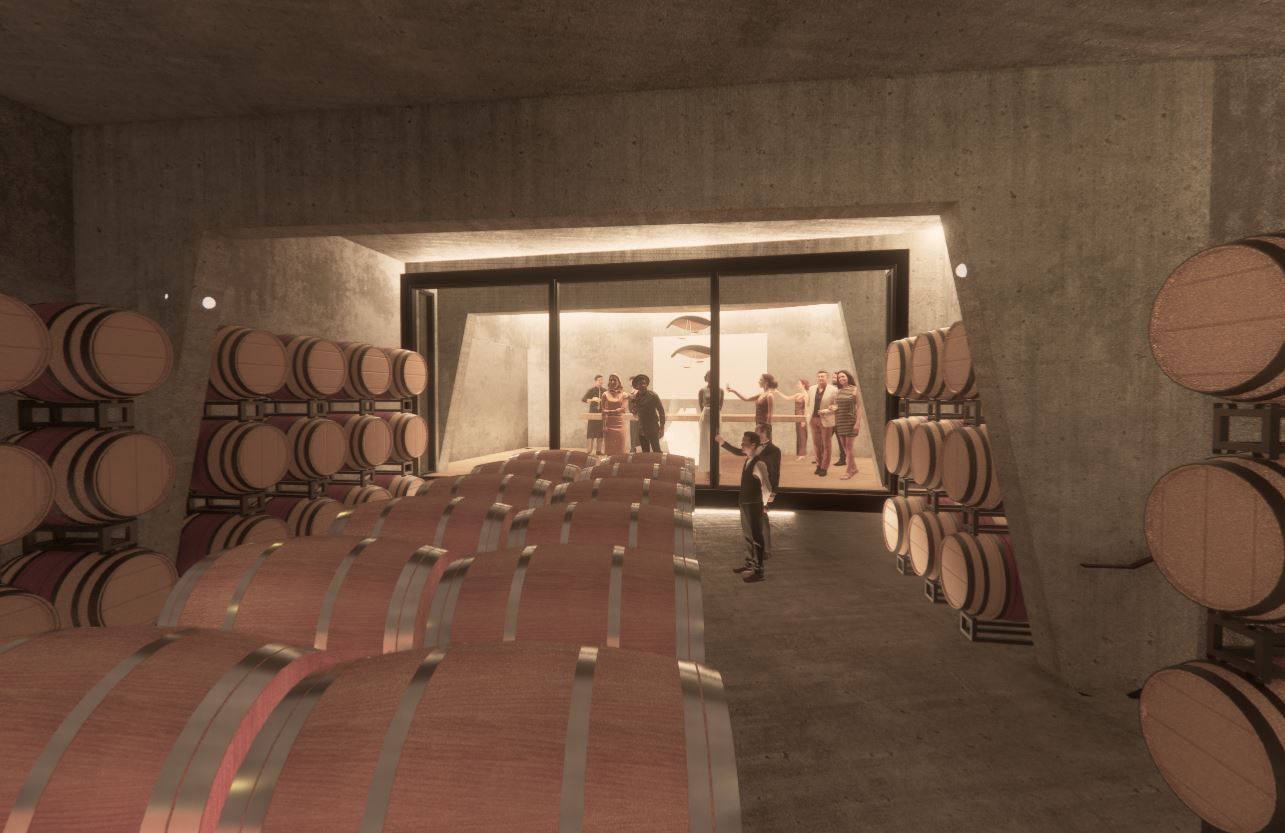
Showcasing the Winery’s Identity
Tasting rooms are an opportunity for wineries to express their unique identity and brand. Winery architecture often incorporates design elements that reflect the winery’s history, philosophy, and regional context. From the choice of materials that evoke the surrounding landscape to architectural details inspired by the winemaking process, the tasting room becomes a physical manifestation of the winery’s character. Whether it’s a rustic charm that celebrates tradition or a modern and sleek aesthetic that embodies innovation, the design of the tasting room creates a visual language that resonates with visitors and deepens their connection to the winery.
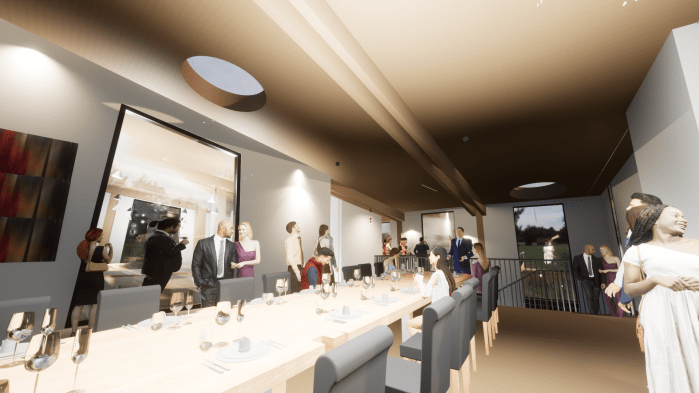
Integrating Views and Natural Light
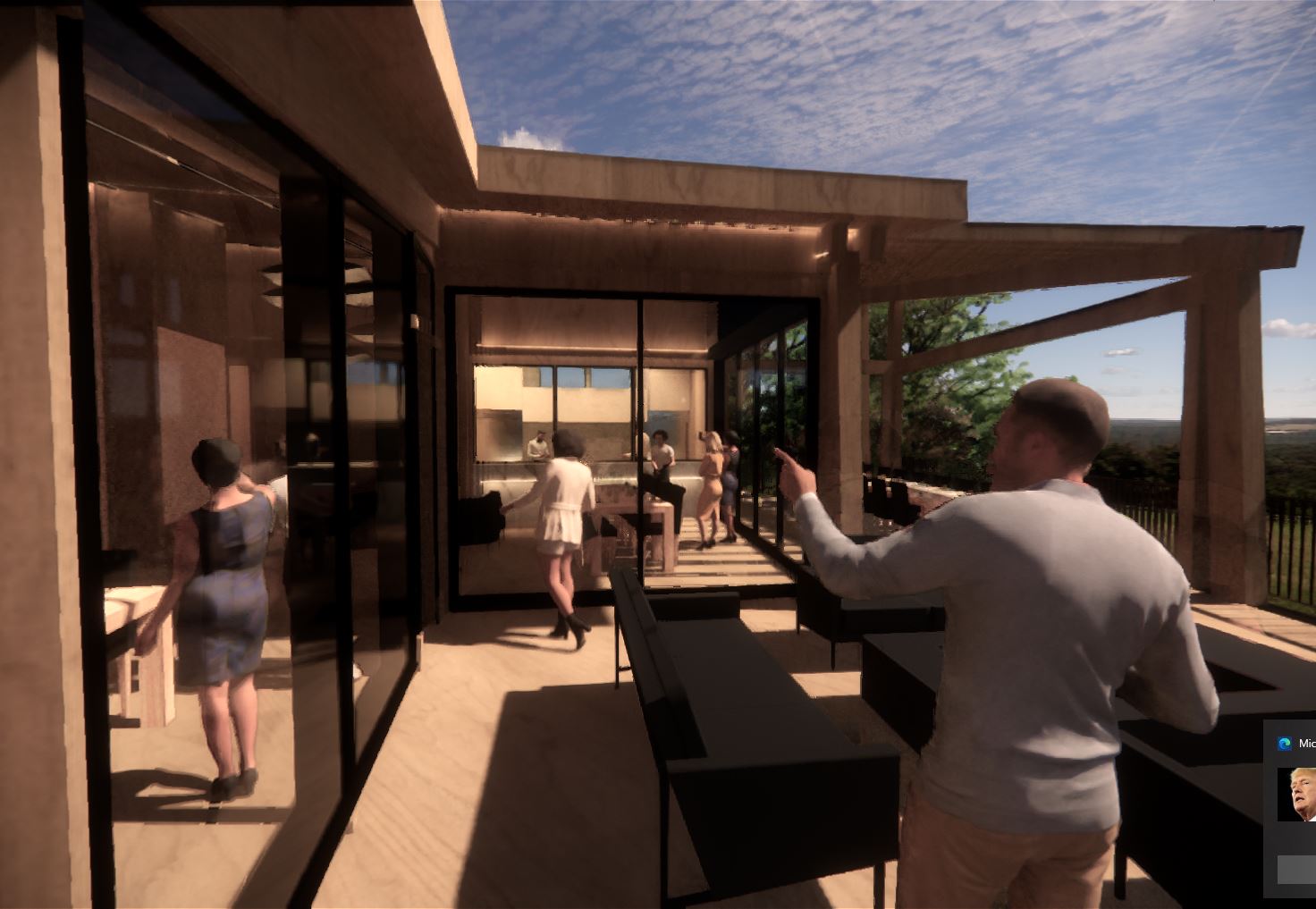
Winery architecture takes full advantage of the surrounding beauty, seamlessly integrating views of the vineyards and surrounding landscape into the tasting room design. Large windows, glass walls, and strategically placed openings frame captivating vistas, allowing visitors to immerse themselves in the natural beauty of the winery’s location. Natural light floods the space, creating a sense of openness and connection to the outdoors. This integration of views and natural light not only enhances the aesthetics of the tasting room but also fosters a serene and contemplative environment, allowing visitors to fully appreciate the wines they taste.
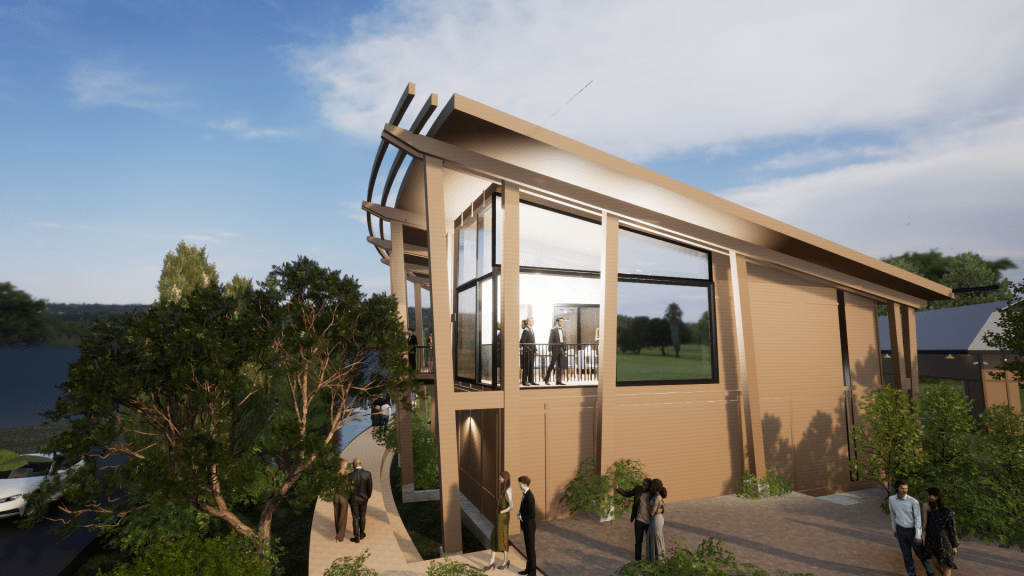
Flexible and Versatile Spaces
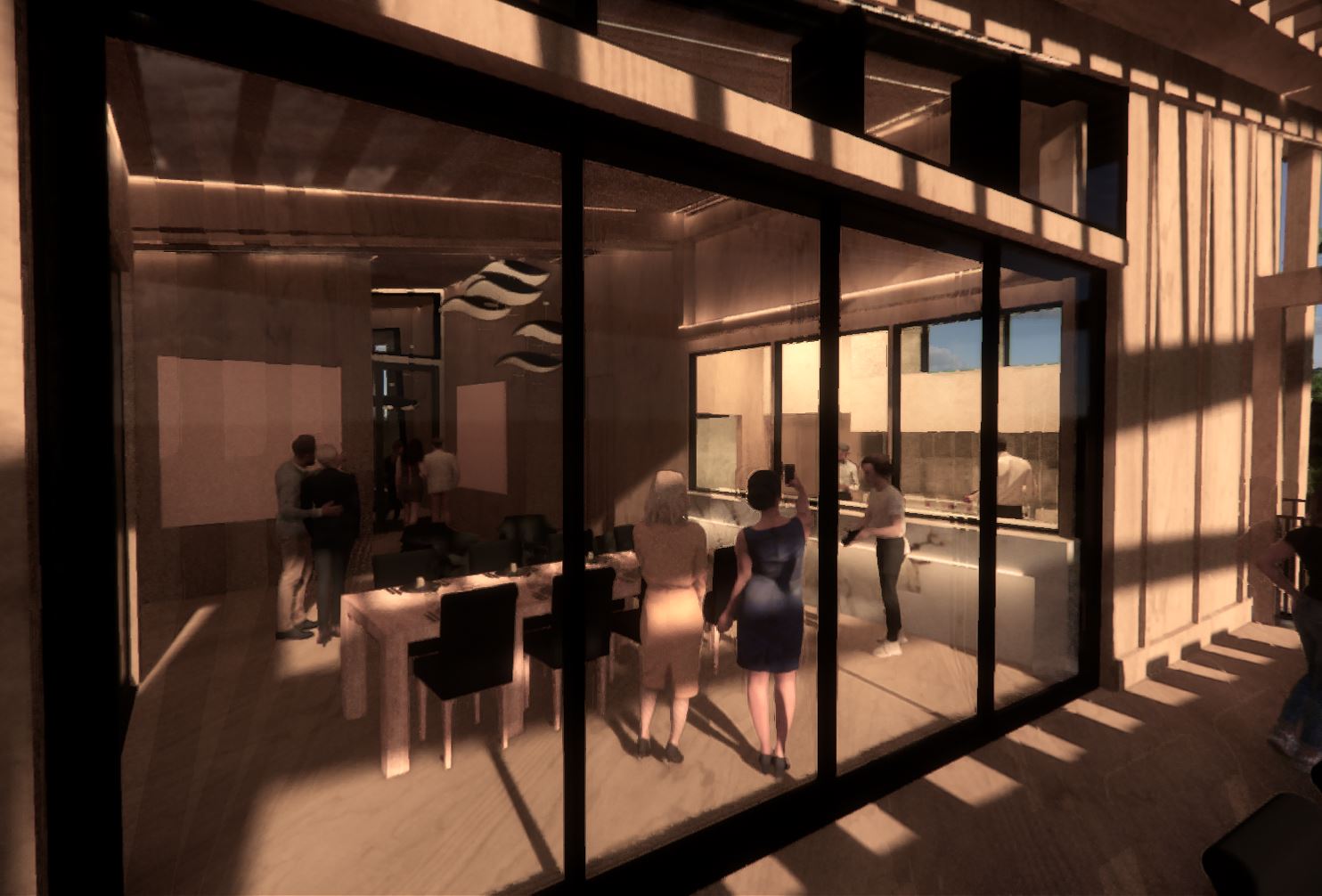
Tasting rooms are dynamic spaces that cater to a variety of experiences, from intimate tastings to larger gatherings and events. Winery architecture embraces flexibility and versatility, providing adaptable spaces that can be easily transformed to accommodate different needs. Mobile tasting bars, modular furniture, and movable partitions allow for seamless adjustments, creating an environment that can cater to both intimate moments and larger group gatherings. This flexibility ensures that the tasting room can effectively cater to a range of experiences and create memorable interactions for visitors.
Technology Integration
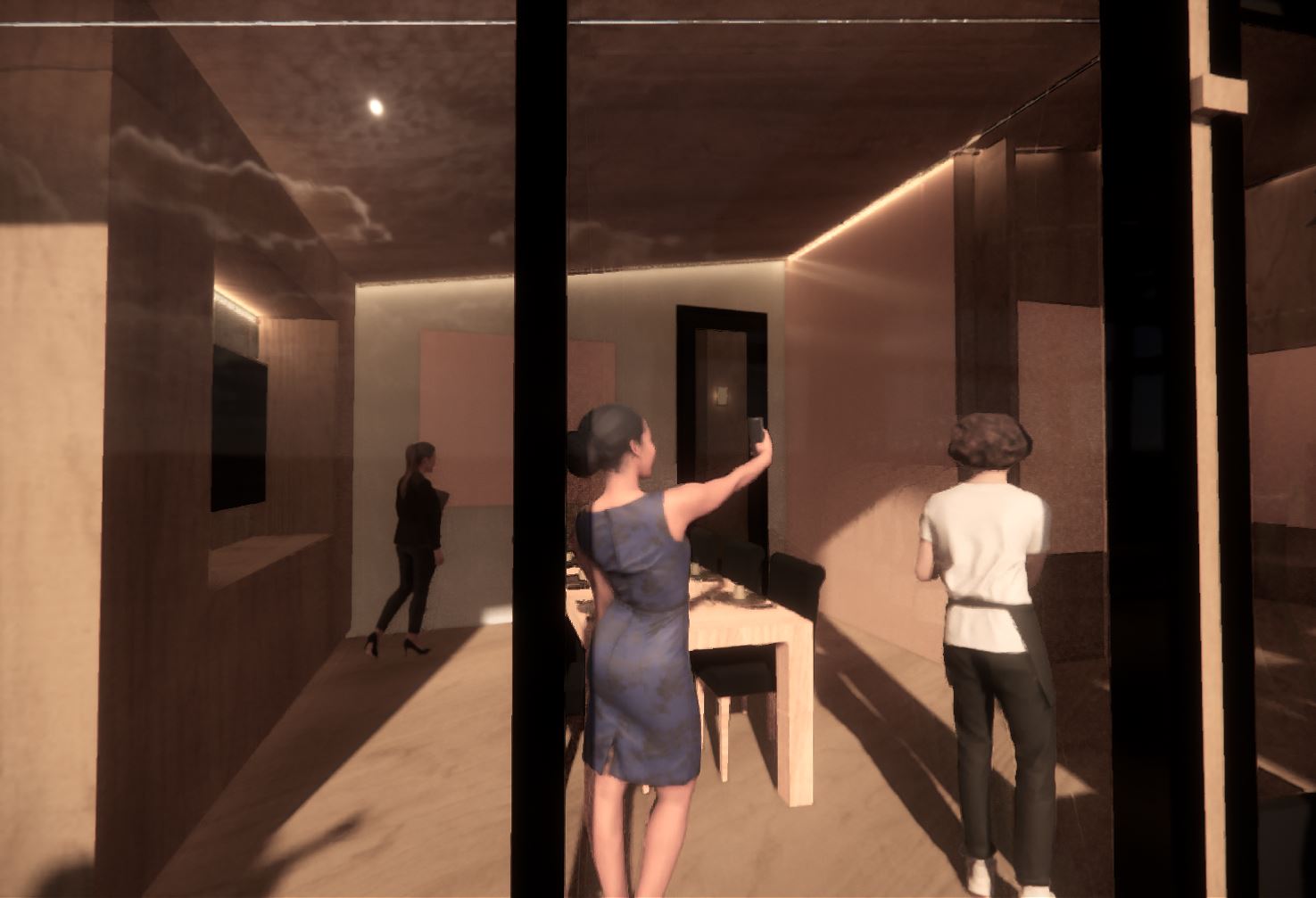
As wineries embrace technological advancements, winery architecture incorporates innovative solutions to enhance the tasting room experience. Digital displays, interactive screens, and virtual tours offer engaging ways to educate visitors about the winery’s history, winemaking processes, and the wines themselves. Integrated sound systems and multimedia installations add an extra layer of immersion, providing a sensory experience that goes beyond taste alone. By integrating technology, winery architecture embraces the digital age while maintaining the intimate and personal connection that is at the heart of wine tasting.
Winery architecture goes beyond functional spaces; it transforms tasting rooms into immersive environments that engage the senses and tell the winery’s story. By carefully considering design elements, incorporating views and natural light, embracing flexibility, and integrating technology, winery architecture creates spaces that celebrate life, the land and the connection of the human spirit to great winemakers through the centuries.
Orla Huq
 Orla Studios Architects