Technical Framework for Designing Healthy, Sensory, and Regenerative Buildings
At Orla Studios, wellness architecture is embedded in every layer of design — from spatial sequencing and light modulation to material ecology and environmental performance. It is the practice of shaping buildings that promote physiological comfort, cognitive restoration, and emotional connection.
1. Design Framework: The Architecture of Wellbeing
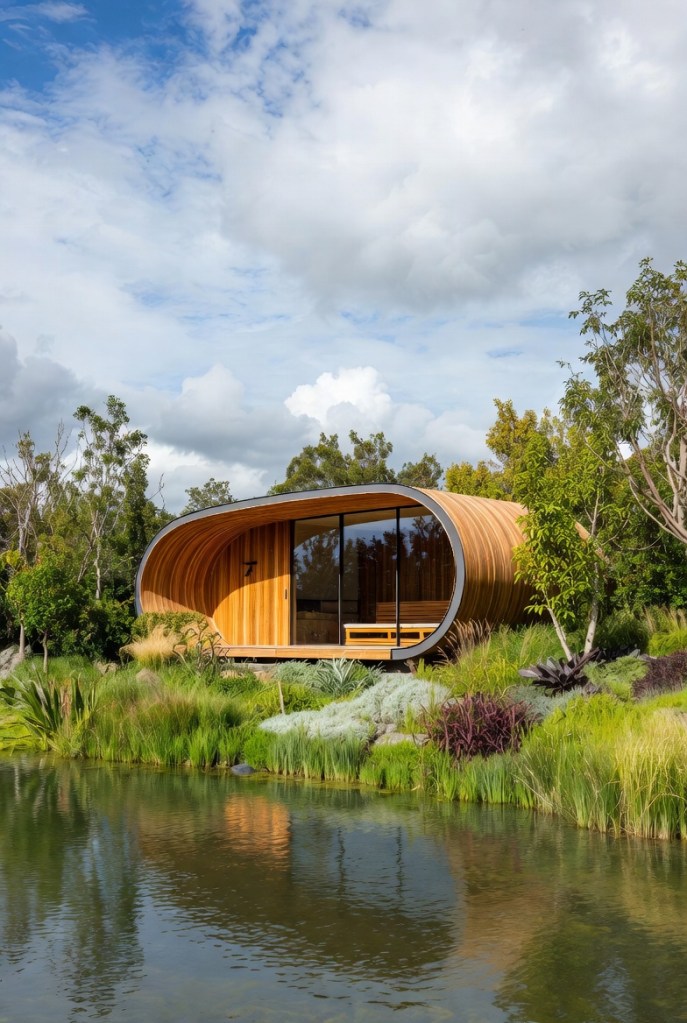
Human-Centric Programming
- Organize the plan around human movement and pause — sightlines, thresholds, and transitions that choreograph calm and curiosity.
- Integrate universal design principles ensuring inclusivity and sensory accessibility.
- Calibrate spatial scale and proportion to evoke both intimacy and openness.
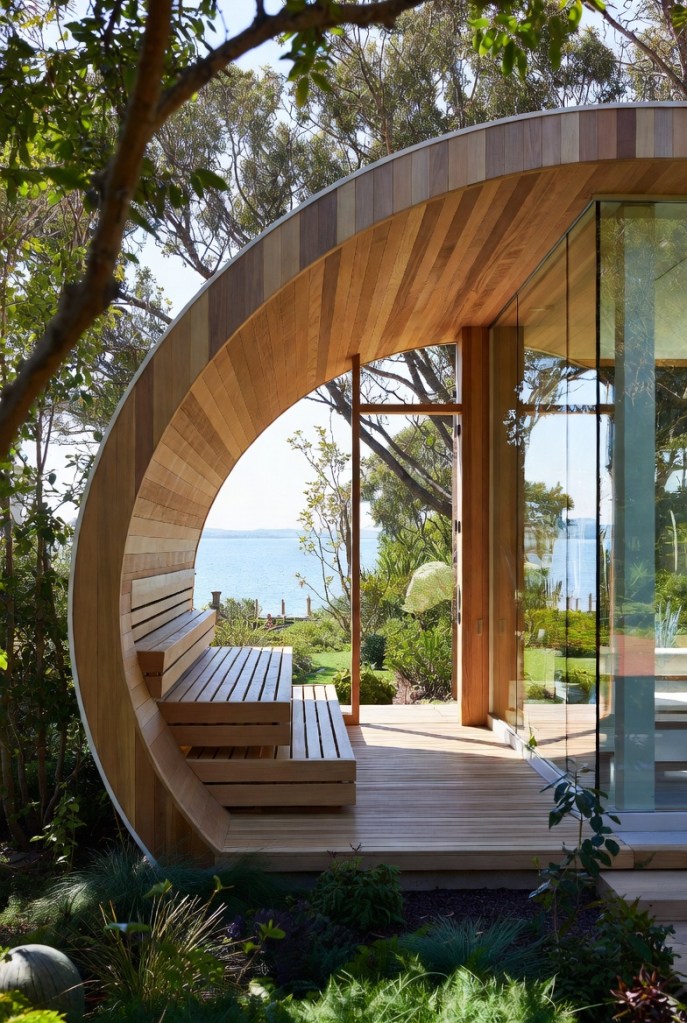
Core Wellness Metrics
- Physical Health: Air quality, daylighting, acoustics, ergonomics, and thermal balance.
- Mental Health: Spatial coherence, visual comfort, biophilic cues, and restorative zones.
- Social Health: Communal nodes and circulation spaces that foster unprogrammed encounters.
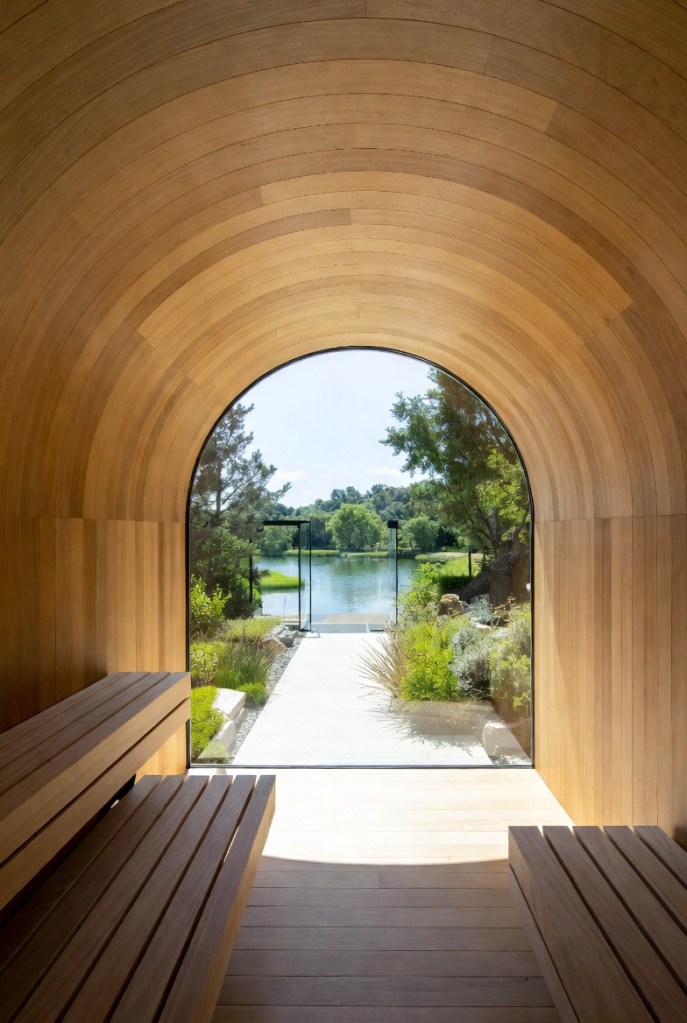
2. Light as Architectural Structure
- Employ daylight modeling to optimize solar exposure, glare control, and circadian alignment.
- Orient massing and openings for passive solar gain in winter and shading in summer.
- Integrate dynamic lighting systems that modulate color temperature throughout the day.
- Use architectural devices — clerestories, skylights, fins, and perforated screens — to sculpt luminous gradients rather than uniform illumination.
Light should define rhythm, hierarchy, and emotion within the built form.
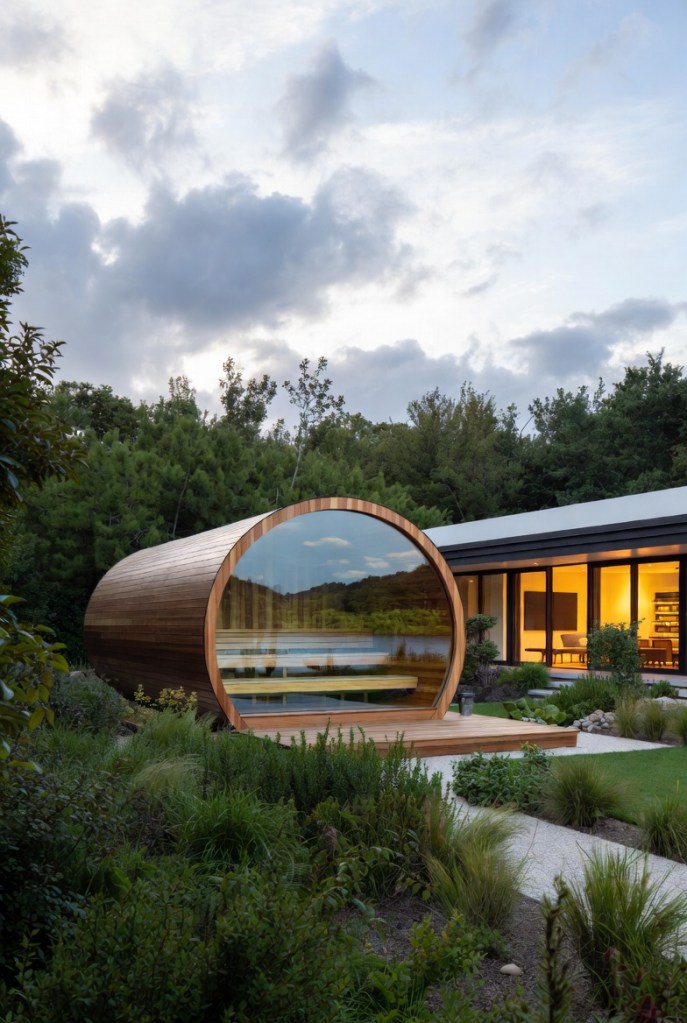
3. Air, Thermal Comfort, and Environmental Systems
- Design for natural cross-ventilation using operable apertures, vent stacks, and atria.
- Specify high-performance envelopes with vapor-permeable membranes and airtight layers to maintain consistent interior comfort.
- Employ mixed-mode HVAC systems allowing occupants to manually override controls for personal comfort.
- Specify low-VOC, non-formaldehyde materials to reduce off-gassing and ensure optimal IAQ (Indoor Air Quality).
- Integrate living systems — green walls, biofilters, or air-purifying planters — as part of the environmental strategy, not post-occupancy decor.
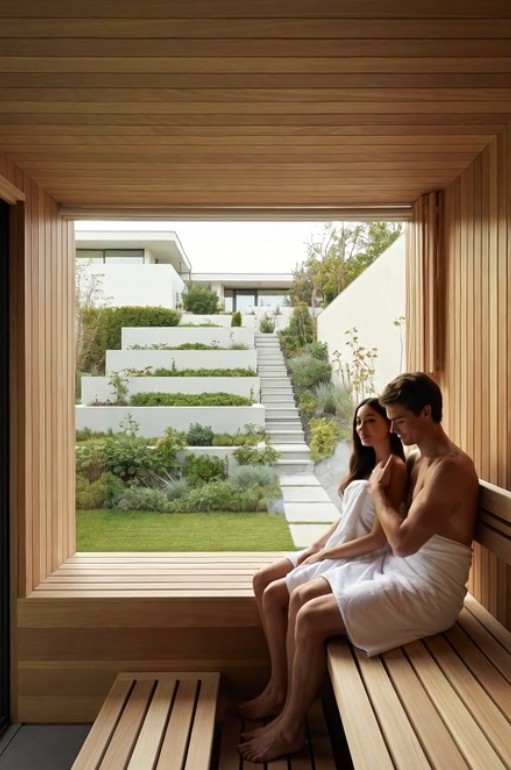
4. Biophilic Integration and Landscape Connectivity
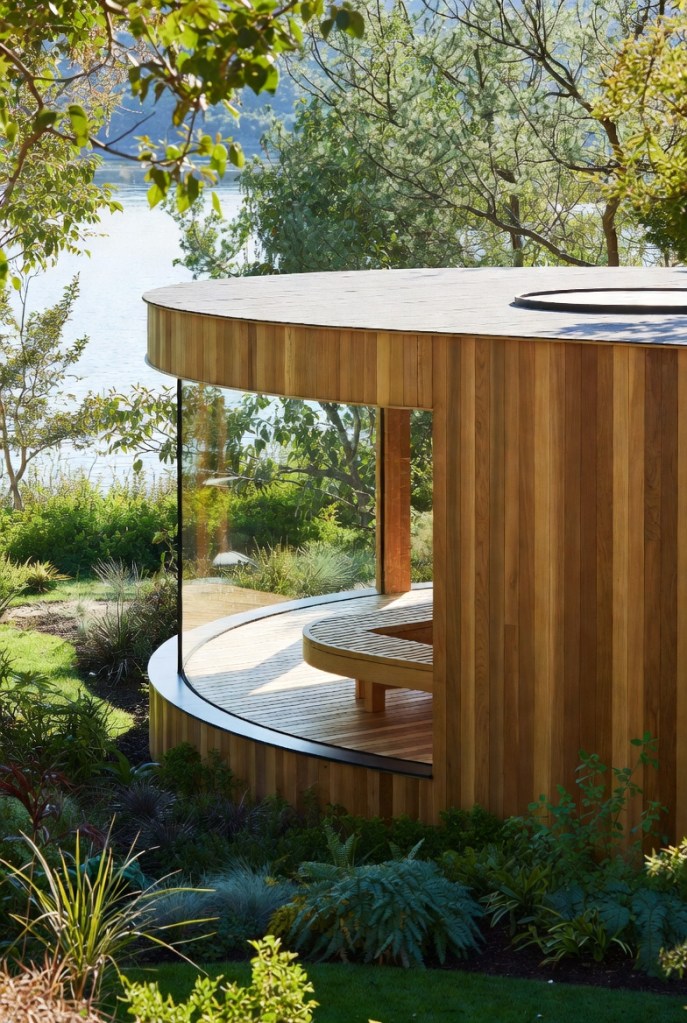
- Embed the building within its ecological context, extending architecture into the landscape through terraces, courtyards, and planted thresholds.
- Employ native and adaptive vegetation for biodiversity and microclimate regulation.
- Design viewsheds and framed vistas to align daily human activity with natural cycles of light, water, and growth.
- Use tactile natural materials — timber, clay, stone, lime plaster — with visible grain and porosity to evoke organic memory.
At Orla Studios, landscape is not a backdrop; it is the architectural substrate.
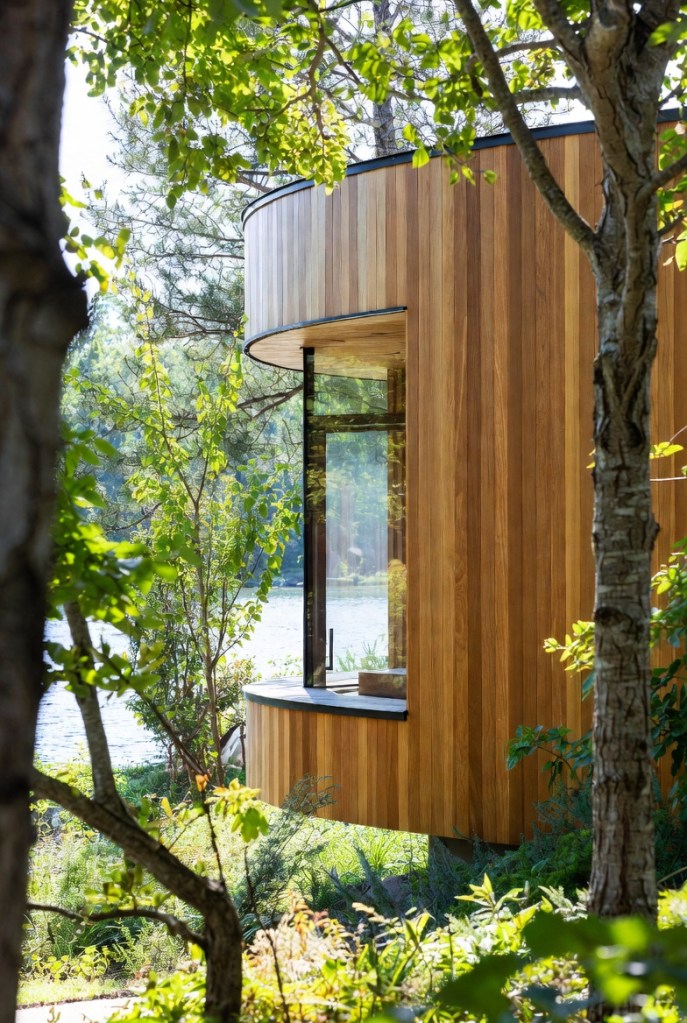
5. Materiality and Sensory Calibration
- Select materials with low embodied carbon and high sensory fidelity.
- Employ mass timber and bio-based composites where structural and environmental criteria align.
- Utilize acoustic attenuation layers — cork, hemp insulation, or felt panels — to control reverberation time within wellness zones.
- Compose multi-sensory sequences: soft light to textured wall to acoustic stillness.
- Prioritize materials that age honestly, developing patina rather than decay.
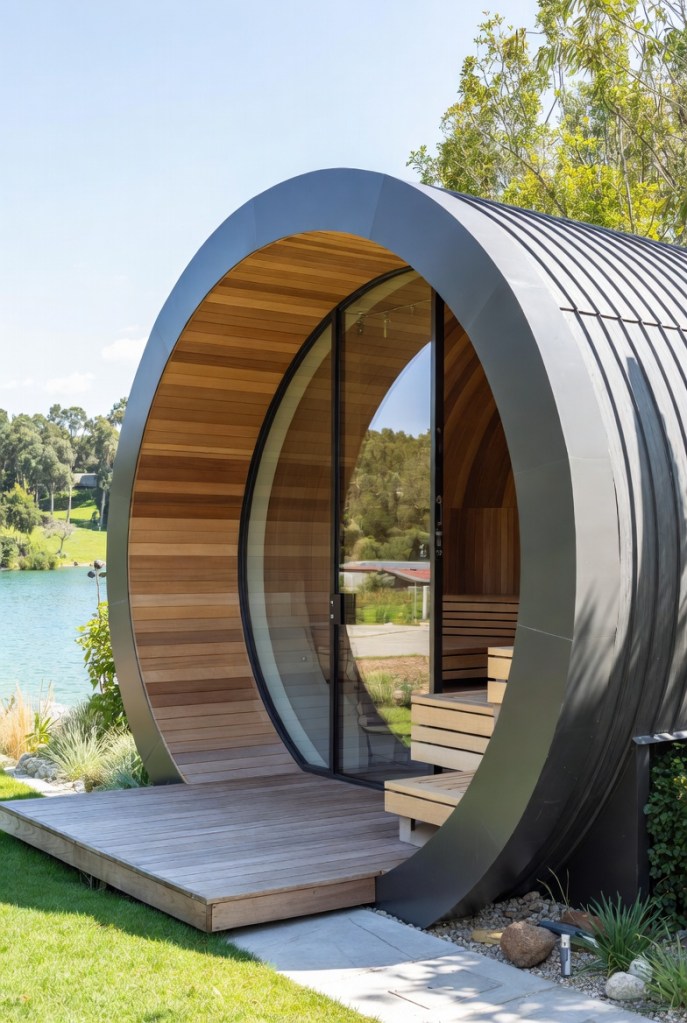
6. Water, Hydrology, and Ritual
- Incorporate hydrological systems that celebrate water as both functional and experiential — rain gardens, permeable paving, and retention basins that double as reflective surfaces.
- Design water rituals — entry fountains, outdoor showers, or bathing spaces — as part of daily renewal.
- Integrate graywater reuse and rainwater harvesting within the mechanical infrastructure.
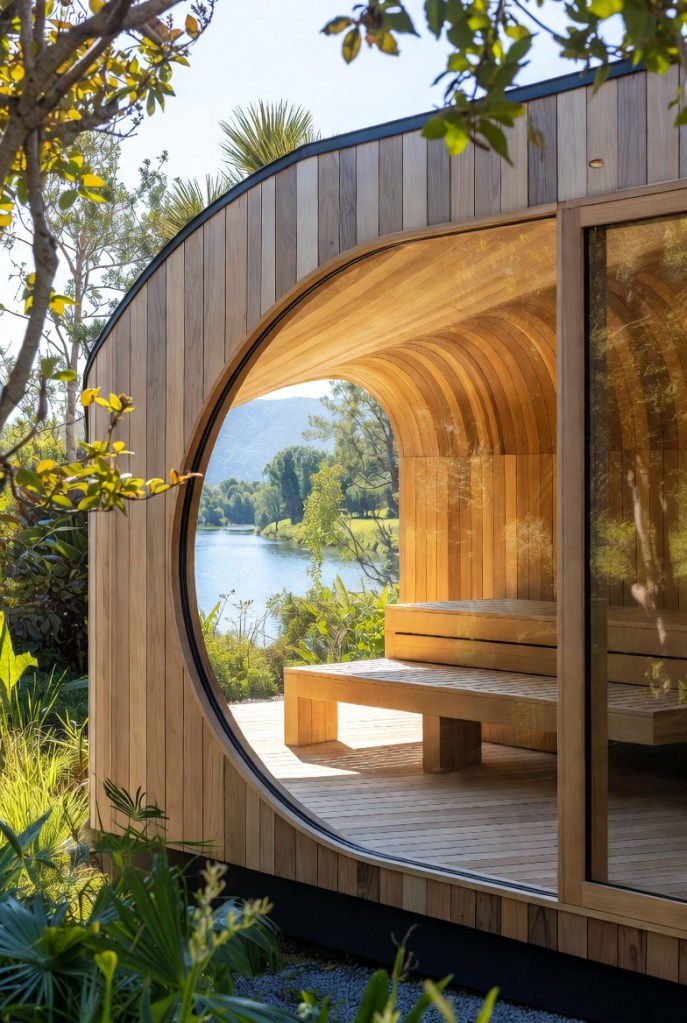
7. Acoustic Ecology
- Apply sound mapping early in design to separate zones of activity and repose.
- Use absorptive ceiling geometries and layered finishes to achieve acoustic equilibrium.
- Allow controlled infiltration of natural soundscapes — wind through screens, water trickle, distant conversation — to enhance sensory presence.
8. Social Spatiality
- Design for interstitial spaces — courtyards, loggias, shared kitchens — that nurture spontaneous interaction.
- Encourage visual permeability across social areas while maintaining acoustic privacy.
- Use circulation as social fabric, allowing chance encounters along daylighted corridors or exterior walkways.
- Extend wellness to the urban scale — pathways, bicycle networks, edible landscapes, and shaded communal zones.
9. Technology and the Sensory Interface
- Implement responsive building systems that monitor IAQ, humidity, and occupancy while maintaining user agency.
- Provide manual controls — operable windows, dimmable fixtures, tactile switches — to strengthen sensory connection.
- Limit overstimulation through digital zoning, reserving low-tech or device-free areas for restoration.
10. Performance Frameworks and Standards
- Reference performance benchmarks such as:
- WELL Building Standard v2 (Air, Light, Comfort, Mind)
- Living Building Challenge (Health + Happiness Petal)
- Fitwel and LEED v4.1 (Human Health credits)
- Employ post-occupancy evaluation (POE) to measure IAQ, daylight factor, and user satisfaction.
11. The Orla Studios Ethos
At Orla Studios, architecture is an ecological act. Each project — from winery to boutique hotel to residence — is a living system designed for thermal balance, sensory calm, and environmental reciprocity.
Wellness is not an aesthetic layer; it is the spatial DNA of the building.
Orla Huq
 Orla Studios Architects